

The Kit Sitting in Your Cupboard Might Not Actually Save Anyone
Let’s be honest most of us have something that resembles a first aid kit tucked away in a bathroom cabinet or the back of a closet. Maybe it came free with a car purchase, or you grabbed it at a dollar store years ago. But here’s the uncomfortable truth: that dusty little box with two bandages, an expired antiseptic wipe, and a mystery cream might not do much when it actually matters. A well-stocked, thoughtfully organized first aid kit is one of the most important safety investments any household can make, and yet most families treat it as an afterthought.
Whether you’re a young adult living solo, a parent chasing kids around the backyard, or an older couple enjoying retirement, the right first aid kit looks different for every stage of life and understanding those differences could genuinely save a life someday.
What Is a First Aid Kit, Really?
More Than Just Bandages
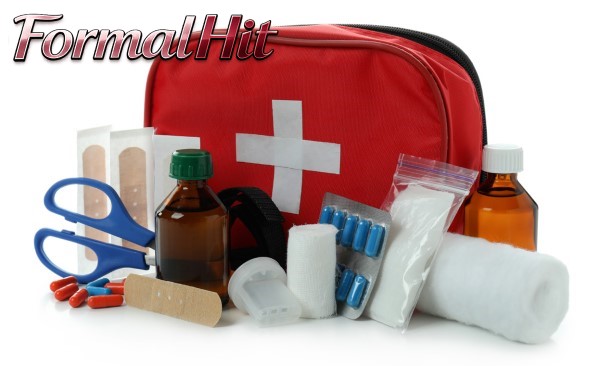
At its core, a first aid kit is a collection of medical supplies and equipment designed to provide immediate care in emergencies before professional medical help arrives. The basic definition sounds simple enough, but the scope of what belongs inside one varies dramatically based on who you’re building it for. A standard first aid kit typically includes adhesive bandages in various sizes, sterile gauze pads, medical tape, antiseptic wipes, antibiotic ointment, scissors, tweezers, a digital thermometer, disposable gloves, and a first aid instruction manual or card.
However, truly effective kits go much further. Depending on your household’s needs, you might also want to include an instant cold pack, a CPR face shield, an emergency blanket, pain relievers, antihistamines, and a blood pressure monitor. The goal is always the same: stabilize the situation and prevent it from getting worse while you wait for help.
Age and Life Stage Matter More Than Most People Realize
For Young Adults and Singles
If you’re in your twenties or thirties, living alone or with a partner, your first aid kit needs are often underestimated. At this stage of life, people tend to be physically active hiking, cycling, playing recreational sports which means cuts, sprains, and minor fractures are genuinely common. Your kit should prioritize wound care: sterile bandages in multiple sizes, butterfly closure strips, medical-grade gloves, and a solid pair of trauma shears. If you’re particularly active outdoors, a wilderness first aid kit or a compact version designed for on-the-go use is worth the investment.
Don’t skip the blister treatment supplies either. They sound minor, but an untreated blister on a backcountry trail can end a trip fast. Young adults should also keep a small supply of over-the-counter medications: ibuprofen, antihistamines for allergic reactions, and oral rehydration salts. Physique and activity level genuinely shape what goes into your kit a gym-goer’s kit differs from someone who works a desk job, even at the same age.
For Couples and Families With Children
Once children enter the picture, the entire calculus of first aid preparation changes. Kids are wonderfully reckless they fall off bikes, scrape knees, put things in their mouths, and manage to get into trouble in ways that defy all logic. A family-ready first aid kit needs to be significantly more robust than a solo kit, and it needs to be accessible to adults quickly without being accessible to curious toddlers.
For families with young children, your kit should include children’s pain and fever reducers in appropriate dosages, a digital ear thermometer (far more practical with squirmy kids), calibrated oral syringes for liquid medications, saline nasal spray, and a larger variety of bandage sizes including fun ones yes, cartoon bandages actually reduce distress and make kids more cooperative during treatment. Keep a note in your kit with your children’s current weights, since many pediatric medication doses are weight-based, and dosage recommendations change as kids grow.
Relationship status and family composition genuinely affect your preparedness level. A single parent managing two children under the age of six needs a more comprehensive setup than a couple without kids not because their lives are worth more, but because the range of potential incidents is broader and the margin for error is smaller.
Building a Kit That Matches Your Household’s Achievements and Lifestyle
Tailoring Supplies to Your Life’s Demands
Here’s something the standard first aid kit checklist often misses: your professional life and personal achievements shape your risk profile. A carpenter who has spent decades perfecting their craft faces very different daily hazards than a retired teacher. Occupational risks tools, chemicals, physical strain should directly influence what you keep on hand at home and at the worksite. Similarly, someone who has achieved competitive athletic milestones and still trains regularly needs supplies for sports injuries that a sedentary lifestyle simply wouldn’t require.
Consider chronic health conditions as part of your kit planning too. If someone in your household manages diabetes, asthma, or severe allergies, those needs belong in the first aid strategy. An epinephrine auto-injector, prescribed inhalers, and glucose tablets aren’t optional additions they’re the heart of that person’s emergency plan.
The Financial Reality of First Aid Preparedness
Investing in Your Safety Without Breaking the Budget
Good news: a genuinely effective first aid kit doesn’t require a massive investment. A comprehensive home first aid kit can be assembled for roughly $50 to $150 CAD depending on the size of your household and the level of preparedness you’re aiming for. Pre-assembled kits from reputable brands like St. John Ambulance, Johnson & Johnson, or Adventure Medical Kits offer solid starting points, but nearly every expert recommends supplementing those with items specific to your family’s needs.
The net worth of your preparedness isn’t measured in dollars it’s measured in readiness. That said, for households with higher disposable income, investing in a more advanced kit that includes a pulse oximeter, an AED (automated external defibrillator) for the home, and a premium trauma kit makes genuine sense, especially if you live in a rural area where emergency services may be more than twenty minutes away.
Keeping Your First Aid Kit Current and Ready
Recent Activities That Should Prompt a Kit Review
There are certain life events recent or otherwise that should prompt you to completely review and restock your first aid kit. Moving to a new home, welcoming a new baby, adopting a pet, starting a new physically demanding hobby, or having a family member diagnosed with a new health condition all change your emergency preparedness calculus. Additionally, the post-pandemic era has reminded many Canadian households of the value of keeping a broader range of supplies on hand, including personal protective equipment like gloves and masks, which now belong in most home kits.
Check expiry dates every six months ideally when the clocks change in spring and fall, since you’re already doing safety checks on smoke detectors. Antiseptic wipes, ointments, and over-the-counter medications all have expiry dates that genuinely matter. An expired epinephrine auto-injector or a degraded antiseptic can fail you when you need it most.
Where to Store Your First Aid Kit
Storage location is more important than most people think. Your kit should be in a cool, dry place not under the bathroom sink where moisture and heat can degrade supplies, and not in the garage where temperature fluctuations are extreme. The most effective placement for a home first aid kit is a central, easily accessible location that every adult in the household knows about. Kitchen cupboards work well. If you have multiple storeys, consider a kit on each level. Keep a smaller kit in your vehicle year-round Canadian winters especially make this a non-negotiable safety habit.
The Bigger Picture: First Aid Is a Life Skill, Not Just a Box on a Shelf
A first aid kit is only as useful as the person using it. Consider pairing your investment in supplies with a certified first aid course from St. John Ambulance or the Canadian Red Cross. Knowing how to actually use what’s in your kit how to stop severe bleeding, how to recognize signs of a stroke or heart attack, how to perform CPR transforms a box of supplies into a genuinely life-saving resource. Taking a course is one of the most meaningful things you can do for your family, regardless of your age, fitness level, or household size.
The bottom line is straightforward: a proper first aid kit, tailored to your specific life circumstances and kept current, is one of the most practical acts of care you can offer the people you love. Don’t wait for an emergency to find out yours isn’t up to the job.
