



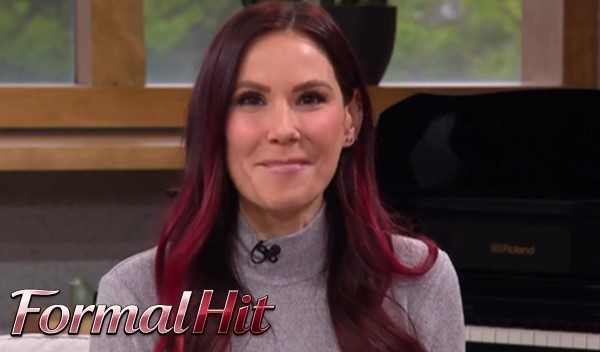
How a self-taught host built a career on trust, honesty and the courage to tell difficult stories
Annie Soleil Proteau has earned a reputation as one of the most fearless voices in Quebec broadcasting, and her journey to that point breaks almost every conventional rule of the industry. She never completed her DEC, never enrolled at university, and had no industry connections handed to her. Instead, Annie Soleil Proteau built her career from the ground up, relying on instinct, empathy and an unusual personal closeness to the very subjects she now covers professionally.
What separates her from many of her peers is authenticity. Annie Soleil Proteau does not approach crime, grief or ageing as distant news topics; she approaches them as lived experience. Her family history, her personal losses and her own observations of a flawed care system all feed directly into her work, giving her documentaries a weight that purely external reporting often lacks. This article explores her career path, her family background, her professional achievements and the projects currently keeping her name in the headlines.
Early Life and the Spark That Started It All
Long before she became a familiar face on Quebec television, Annie Soleil Proteau was simply a young girl tagging along with her father to the set of Le Poing J. Those early visits planted a seed that never really left her. Although she lacked formal qualifications and never pursued higher education, her fascination with hosting and storytelling only grew stronger as she got older, eventually pushing her to pursue broadcasting despite having no traditional credentials to fall back on.
Her breakthrough moment came through veteran radio and television personality René Homier-Roy, who became her first major mentor. He gave her a platform as a columnist on his radio programme during what she has described as an extremely difficult period in her life. That opportunity, arriving when she had very little else to hold onto, became a turning point. Annie Soleil Proteau has spoken with deep gratitude about Homier-Roy’s faith in her, crediting him with helping her find stability and direction at a crucial moment.
Building a Career Without a Safety Net
Unlike many broadcasters who climb the industry ladder through formal training or established connections, Annie Soleil Proteau carved her own path almost entirely through persistence and self-belief. Her willingness to keep showing up, even without academic credentials behind her, speaks to a determination that has clearly shaped how she now approaches her work. That same resilience appears throughout her later career, particularly in how she handles emotionally complex subject matter.
Over time, Annie Soleil Proteau transitioned from radio columnist to television host and producer, eventually becoming known for tackling subjects that many broadcasters would shy away from. Her name became closely associated with stories involving crime, family trauma and social neglect, areas where sensitivity and trust matter just as much as journalistic skill.
Career Highlights and Major Television Projects
Annie Soleil Proteau is perhaps best known for Famille de criminel, a documentary series that explores the lives of women and children connected to high-profile criminal figures in Quebec. The show requires an extraordinary level of trust between host and subject, something Annie Soleil Proteau has clearly mastered. Its third season recently premiered, continuing her exploration of how families navigate life in the shadow of organised crime.
She also co-hosts Le parloir alongside fellow broadcaster Félix Séguin, a programme produced for the Témoin channel that further showcases her ability to engage with difficult, often uncomfortable narratives. Beyond this, Annie Soleil Proteau has contributed as a cultural columnist on Salut Bonjour Week-end, broadening her presence across different formats and audiences within Quebec media.
One of her most personally significant projects, however, remains La dernière maison. The documentary was inspired directly by the death of her grandmother, who passed away shortly after moving into a seniors’ residence. Rather than treating this as a private family matter, Annie Soleil Proteau transformed her grief into a public examination of the shortcomings within home care and elder support systems across the province.
Family Ties to a Complicated World
A defining feature of Annie Soleil Proteau’s career is how transparently she connects her family background to her professional choices. She has openly acknowledged that several relatives were involved in criminal activity, and one of her uncles reportedly disappeared during Quebec’s notorious biker gang conflict. Instead of distancing herself from this history, she has used it as a source of insight, allowing her to approach criminal families with genuine understanding rather than judgement.
This personal connection plays directly into how she conducts interviews. Annie Soleil Proteau has spoken about the ethical complexity of giving a platform to people associated with crime, recognising that such exposure can sometimes soften public perception of individuals who might otherwise be viewed with suspicion. To manage this responsibility, she follows a strict personal standard, agreeing only to feature individuals who demonstrate a sincere desire to change their lives, even if that means turning away potentially sensational stories.
Earning Trust Where Others Cannot
Few broadcasters manage to gain access to the people Annie Soleil Proteau has interviewed. She secured one of the first major interviews with Alexandra Mongeau, daughter of infamous figure Maurice “Mom” Boucher, a relationship built gradually through patience and consistency rather than pressure or persistence alone. This kind of access is rare in Quebec media and reflects years of careful relationship-building within communities that are typically closed off to outsiders.
Her collaboration with legendary crime reporter Claude Poirier further illustrates this trust. The two currently work together on a new documentary series investigating unresolved cases involving young women who were killed or went missing across Quebec. Their professional partnership, which developed through Le parloir, has reportedly grown into a close personal bond, with Poirier said to view Annie Soleil Proteau almost as a successor to his decades-long career covering crime and tragedy.
Advocacy Beyond the Screen
Annie Soleil Proteau’s influence extends well beyond entertainment. Her documentary on elder care sparked a long-term commitment to advocating for older adults, a group she believes is consistently overlooked by both society and policymakers. This advocacy has taken her beyond television studios entirely, including a role as host of the envisAGE Forum, an event centred on innovation in ageing and home care technology.
She has also been vocal about systemic failures in long-term care, particularly during the pandemic, when she publicly criticised the conditions faced by elderly residents in care facilities. This consistent willingness to speak out, even outside of scripted projects, reflects a broader pattern in her career: a refusal to stay silent when vulnerable people are being failed by the systems meant to protect them.
Recognition and Industry Achievements
Annie Soleil Proteau’s work has not gone unnoticed within the industry. She received a Gémeaux Award for her contribution to the District 31 podcast, a recognition that highlights her storytelling ability across both audio and television formats. This achievement reinforces her standing as a credible, award-winning voice within Quebec broadcasting, rather than simply a personality known for sensitive subject matter.
A Note on Personal Details
It is worth being transparent here. Specific details such as Annie Soleil Proteau’s exact age, net worth and current relationship or family status are not publicly confirmed through reliable sources at this time. Rather than speculate, this article focuses strictly on her professional achievements, family background and public advocacy work, all of which are well documented and verifiable.
Final Thoughts
Annie Soleil Proteau represents a rare kind of broadcaster, one whose personal history and professional work are deeply intertwined. Her family’s connection to crime, her grief over her grandmother’s death, and her refusal to look away from uncomfortable truths have shaped a body of work that feels genuinely human. Whether she is documenting organised crime or campaigning for better elder care, Annie Soleil Proteau continues to demonstrate that authenticity, empathy and persistence can matter just as much as formal credentials in building a meaningful career.


