



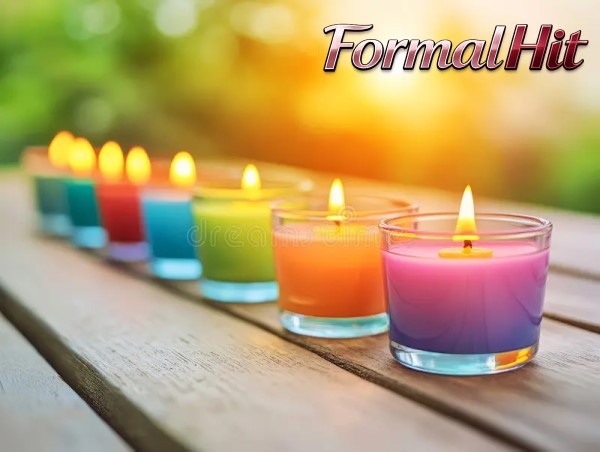
Candles have a way of turning an ordinary evening into something a little softer. Whether you’re lighting one after a long day at work or shopping for a housewarming gift, candles remain one of the most popular ways to add warmth, scent, and ambiance to a home. But with so many wax types, wick styles, and burning methods available, picking the right candles can feel more complicated than it should be.
This guide breaks down everything you need to know about candles, from how they’re made to how to get the most out of every burn, including newer alternatives like the candle warmer.
Why Candles Remain So Popular
People buy candles for reasons that go well beyond decoration. A flickering flame changes the mood of a room almost instantly, and scented candles can influence memory and emotion in ways few other home products can match.
Common reasons people reach for candles include:
- Ambiance and relaxation — soft lighting after sunset or during a bath
- Scent layering — replacing artificial air fresheners with natural fragrance
- Gifting — candles are among the most-purchased small gifts worldwide
- Ritual and mindfulness — many people light candles during meditation or yoga
- Seasonal decor — think cinnamon and pine scents in winter, citrus in summer
Understanding your “why” actually helps you choose better candles, since different goals call for different wax types, sizes, and burn methods.
Types of Candle Wax Explained
Not all candles are created equal, and the wax type affects burn time, scent throw, and how clean the candle burns.
| Wax Type | Burn Quality | Scent Throw | Best For |
|---|---|---|---|
| Soy wax | Clean, slow burn | Moderate | Everyday use, eco-conscious buyers |
| Paraffin wax | Strong, hot burn | Strong | Scented candles, cost-conscious shoppers |
| Beeswax | Very clean, long-lasting | Mild, natural honey scent | Allergy-sensitive households |
| Coconut wax | Smooth, even burn | Strong | Premium candles, luxury blends |
| Palm wax | Crystalline finish | Moderate | Decorative candles |
Soy candles have grown especially popular in Canada over the past decade because they burn cooler and cleaner than traditional paraffin candles, producing less soot on walls and ceilings.
How to Choose the Right Candles
Picking candles isn’t just about scent though that matters a lot. A few practical factors make a real difference in how satisfied you’ll be with your purchase.
1. Consider the Room Size
Larger candles with wider diameters throw scent further, making them better suited to open-concept living rooms. Smaller candles work well in bathrooms or bedrooms where a subtle scent is preferred.
2. Check the Wick Type
Cotton wicks are the most common and burn predictably, while wood wicks create a gentle crackling sound that many people find soothing. Wood-wick candles also tend to burn slightly cooler, which can extend the life of the candle.
3. Look at Burn Time Estimates
Most quality candles list an estimated burn time on the label. A 227-gram (8 oz) candle typically burns for 40 to 60 hours, though this varies based on wax type and how often you burn it.
4. Match Scent to Purpose
Lighter scents like linen or green tea work well for daily use, while heavier scents such as amber or sandalwood suit evening relaxation better.
How to Burn Candles Properly
Getting a good burn isn’t automatic it comes down to technique. Improper burning is one of the most common reasons people feel disappointed with candles that were actually well made.
Follow these steps for the best results:
- Trim the wick to about 6 mm (¼ inch) before every burn
- Let the wax pool fully to the edges on the first burn to prevent tunnelling
- Burn for no more than 3–4 hours at a time to avoid overheating the container
- Keep candles away from drafts, which cause uneven burning and flickering
- Avoid moving a lit candle, since hot wax shifts unpredictably
Following this routine helps candles burn evenly and last as long as the label promises, rather than burning down the middle and wasting wax on the sides.
Candle Safety: What Every Household Should Know
Fire safety organizations across Canada consistently list candles among the leading causes of home fires during winter months, so a few precautions go a long way.
- Never leave a burning candle unattended, even for a few minutes
- Keep candles at least 30 cm (12 inches) away from anything flammable
- Use a stable, heat-resistant holder
- Extinguish candles before they burn within 1 cm of the base or holder
- Keep candles out of reach of children and pets
These aren’t just generic warnings they reflect the most common causes of candle-related incidents reported by fire departments.
Candle Warmer: A Flame-Free Alternative
For households that love the smell of candles but worry about open flames, a candle warmer has become a genuinely useful alternative. A candle warmer uses gentle heat, either from a heating plate or a light bulb, to melt the top layer of wax and release fragrance without ever lighting a wick.
Benefits of using a candle warmer:
- No open flame, making it safer around kids, pets, and rental properties
- No soot buildup on walls or ceilings
- Slower wax consumption, which can extend the life of a candle
- No smoke, which is helpful for people with respiratory sensitivities
A candle warmer works especially well with candles that still have wax left near the wick but have become difficult to light safely a common situation with jar candles that burn unevenly. Many people now keep both a lighter and a candle warmer on hand, choosing whichever suits the moment.
Frequently Asked Questions About Candles
How long do candles typically last?
Burn time depends on size and wax type, but most standard jar candles last between 40 and 60 hours. Following proper burning techniques, like trimming the wick, can extend this significantly.
Are soy candles better than paraffin candles?
Soy candles burn cleaner and slightly cooler, which many people prefer for everyday use. Paraffin candles, however, often have a stronger scent throw, so the “better” choice really depends on personal priorities.
Why do candles tunnel instead of burning evenly?
Tunnelling happens when the first burn doesn’t allow the wax to melt all the way to the edges. Once this happens, later burns tend to repeat the same pattern down the centre of the candle.
Can a candle warmer be used with any candle?
Most candle warmers work with standard jar candles, though very large or unusually shaped candles may not fit properly. It’s worth checking the warmer’s plate size against your candle’s base before buying.
Is it safe to sleep with a candle burning?
No. Candles should always be extinguished before sleeping, even in another room, since unattended flames are a leading cause of house fires.
How should candles be stored between uses?
Store candles in a cool, dark place away from direct sunlight, which can cause discolouration and affect the fragrance oils over time.
Content Gap: Reading Candle Labels Like a Pro
Most candle guides skip over how to actually read a candle label, but it’s genuinely useful information. Look for the wax type listed first, followed by the wick material (cotton, wood, or a cotton-wood blend), and the fragrance load percentage if available. Candles with a fragrance load above 8% typically offer stronger scent throw, while anything under 6% is better suited for subtle background scent.
Final Thoughts
Candles are simple in concept but genuinely rewarding when you understand what makes a good one. From choosing the right wax and wick to practicing safe burning habits, small details add up to a noticeably better experience every time you light one. And for anyone hesitant about open flames, a candle warmer offers a practical middle ground that still delivers the scent and mood candles are loved for.
If you’re ready to build out your own candle collection, start with one quality candle in a scent you already love, pay attention to how it burns, and adjust from there. The right candles aren’t just purchased, they’re learned through a bit of trial, error, and mindful burning.


