



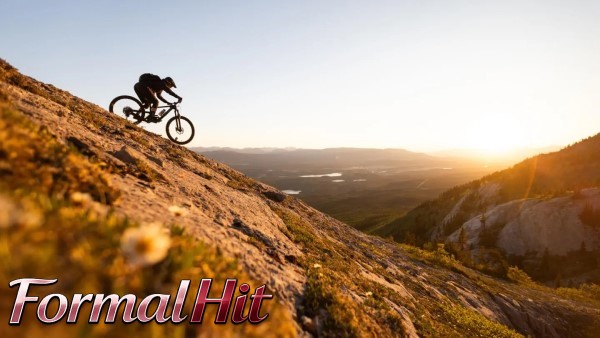
Whether you’re eyeing gnarly single track in the Rockies or cruising flowy trails through the Laurentians, choosing the right mountain bike can genuinely make or break your experience out there. There are more options on the market today than ever before, and honestly, that’s both exciting and a little overwhelming. The good news? Once you understand the key differences between bike styles and what each one is built for, the whole thing clicks into place pretty fast.
Why Mountain Biking Continues to Grow in Canada
Mountain biking isn’t just a hobby anymore it’s a full-on lifestyle for hundreds of thousands of Canadians. From the legendary trails of Whistler and North Vancouver to the rugged terrain of Kananaskis and the rolling hills of Cape Breton, riders across every province are getting out there and shredding. Trail networks are expanding rapidly, and the community around the sport is more welcoming and inclusive than it’s ever been.
Still, stepping into a bike shop or scrolling through online listings without a game plan can leave you spinning your wheels no pun intended. Do you need a full suspension mountain bike? Would a hardtail mountain bike be more practical for your budget and terrain? Could a downhill mountain bike be overkill for where you’re riding? These are the kinds of questions worth thinking through before you swipe your card.
Understanding the Main Types of Mountain Bikes
The Hardtail Mountain Bike — A Classic for Good Reason
A hardtail mountain bike features a rigid rear end with no rear suspension, paired with a front suspension fork. It’s one of the most popular styles among newer riders and budget-conscious cyclists, and there’s genuinely solid logic behind that. Hardtails are typically lighter, easier to maintain, and more affordable than their full-suspension counterparts. They also reward good technique, which helps riders develop real trail skills over time.
That said, don’t be fooled into thinking a hardtail is just a beginner’s tool. Plenty of seasoned riders swear by them for cross-country riding, gravel adventures, and even technical terrain where they want direct, snappy feedback from the trail. If you’re riding mostly XC trails, fire roads, or buff singletrack, a hardtail mountain bike is likely going to serve you incredibly well without emptying your wallet.
Who Should Ride a Hardtail?
A hardtail suits riders who are just getting into the sport, those on tighter budgets, and anyone who loves efficient pedalling on climbs. It also works beautifully for commuters looking to transition into trail riding without investing in a complex, dual-suspension setup.
The Full Suspension Mountain Bike — Comfort, Control, and Confidence
Step up to a full suspension mountain bike, and you’re adding rear suspension into the mix. That extra travel absorbs the chatter, roots, and rocks that a hardtail sends straight into your body. The result is a smoother, more controlled ride especially on technical descents and rough, demanding terrain.
Full suspension mountain bikes are undeniably more complex mechanically, and they do come with a higher price tag. However, if you’re riding challenging trails regularly, the added comfort and traction are genuinely worth it. You’ll find that a full suspension mountain bike lets you carry more speed through sections that would otherwise beat you up on a rigid rear end. Riders who push their limits on black diamond trails or aggressive enduro courses particularly notice the difference.
Modern full suspension geometry has also become incredibly refined. Trail bikes typically offer 120mm to 150mm of travel, striking a balance between climbing efficiency and descending capability. Enduro bikes push that further, often sitting between 150mm and 170mm, built to handle aggressive terrain while still being pedallable on the way up.
What to Look for in a Full Suspension Setup
Pay attention to the suspension linkage design, shock tune, and geometry numbers like reach, stack, and head tube angle. These specs dramatically affect how a bike handles on steep, technical terrain versus flowy, moderate trails.
The Downhill Mountain Bike — Built for One Thing Only
If raw descending performance is the priority, nothing compares to a downhill mountain bike. These machines are purpose-built for lift-accessed bike parks and gravity-fuelled race runs. They feature long-travel suspension (usually 200mm or more), slack geometry, and burly components designed to withstand serious abuse at high speeds.
A downhill mountain bike is not an all-rounder. It’s heavy, not meant to be pedalled up climbs, and requires a chairlift or shuttle to get to the top of the hill. At Whistler Bike Park or Snow Valley in Alberta, you’ll see these bikes doing exactly what they were designed for eating up drops, berms, and rock gardens with total confidence.
For most recreational riders, a downhill mountain bike is more than they need for everyday trail use. But if you spend your weekends lapping a bike park and want the best possible tool for the job, investing in one makes complete sense. Riders who race downhill, in particular, benefit enormously from the added stiffness, stability, and suspension performance these bikes deliver.
Downhill vs. Enduro — Knowing the Difference
While a downhill mountain bike is strictly for descending, enduro bikes bridge the gap between trail and DH riding. Enduro bikes can handle serious downhill sections but are still designed to climb under their own power. If you want to ride technical descents without relying on a lift every time, enduro might be your sweet spot.
Key Factors to Consider Before You Buy
Terrain and Riding Style
The single most important factor in choosing a mountain bike is where and how you plan to ride. Smooth XC trails and cross-country loops? A hardtail mountain bike handles them with ease. Rooty, rocky, and technical singletrack? A full suspension mountain bike starts making a lot of sense. Bike park laps all season? That’s where a downhill mountain bike genuinely shines.
Don’t get seduced by the flashiest or most expensive option if it doesn’t match your local trails. Ride what suits your reality, not just your imagination.
Budget and Long-Term Value
Mountain bikes span a wide range of price points, from around $800 for entry-level hardtails to $15,000 and beyond for high-end carbon full-suspension rigs. Set a realistic budget early, and prioritize quality components especially brakes, wheels, and suspension over aesthetics. A well-specced mid-range bike will always outperform a flashy cheap one on the trail.
Fit and Geometry
Frame fit is non-negotiable. Riding a bike that doesn’t fit your body properly leads to discomfort, poor handling, and even injury. Modern mountain bike sizing has moved away from small/medium/large labels toward reach-based sizing, which gives a much more accurate picture of how a bike will actually feel. Visit a local shop, get a proper fit, and if possible, demo a few bikes before committing.
The Canadian Riding Scene and What It Demands
Canada’s trail systems are as diverse as its landscape. Coastal trails in BC are often wet, rooty, and technically demanding perfect territory for a full suspension mountain bike with solid mud clearance. Alberta’s trails offer a mix of flowy and rocky, rewarding riders on both hardtails and full suspension setups. Ontario’s Shield country throws endless roots and granite slabs at you. Quebec brings fast, forested flowy trails that put a premium on speed and efficiency.
The point is, Canadian riding demands a bike that’s tough, reliable, and well-matched to your region. Talk to riders in your area, join local clubs, and don’t hesitate to ask what they’re riding. Local knowledge is genuinely priceless when it comes to choosing the right mountain bike for your trails.
Final Thoughts — Find Your Ride and Get Out There
At the end of the day, the best mountain bike is the one that gets you stoked to hit the trail. Whether you’re rolling a lean and nimble hardtail mountain bike up your favourite climb, threading technical lines on a full suspension mountain bike, or sending it down a bike park run on a downhill mountain bike, the goal is always the same to have an absolute blast out in nature.
Take your time, do your research, and don’t be afraid to ask questions at your local shop. The mountain biking community in Canada is one of the friendliest you’ll find anywhere. And once you’ve got the right bike under you and dirt under your wheels, you’ll wonder how you ever spent your weekends any other way.


