



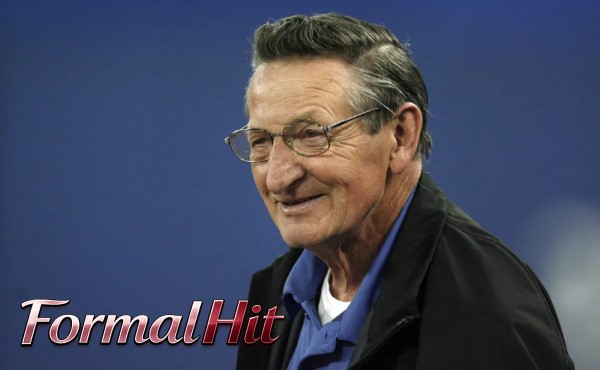
Anyone searching for Walter Gretzky is usually looking for one of two things: the man behind hockey’s most legendary backyard rink, or the story of a Canadian father whose influence on the game outlasted his own playing career entirely. Walter Gretzky never suited up for an NHL team, yet his name carries as much weight in Canadian hockey history as many players who did.
Born in 1938 near Brantford, Ontario, Walter Gretzky built a life around family, community, and an unshakable belief in his children’s potential. He died on March 4, 2021, at age 82, after a long battle with Parkinson’s disease. This article walks through his full story, not just the famous rink, but the parts of his life that rarely make it into shorter tribute pieces.
Early Life: How Walter Gretzky Was Raised
Walter Gretzky was the son of immigrant parents, a Polish mother named Mary and a Russian father named Tony who ran a vegetable farm in Canning, Ontario, just outside Brantford. He was the fifth of seven children, growing up in a household defined by hard work rather than luxury.
His athletic talent showed up early. Walter excelled in track and field as a teenager, though hockey ultimately became his focus, and he played minor hockey in nearby Paris, Ontario, before advancing to junior B hockey in Woodstock. A bid to move up to Junior A didn’t pan out, chickenpox cost him weight off an already slight frame and Walter later admitted he wasn’t quite good enough to turn pro himself.
That admission matters. Gretzky Walter never pretended his own playing career justified his authority on the game; his credibility came from something else entirely, which becomes clear once you look at what he built after hockey didn’t work out for him personally.
The Bell Canada Accident That Nearly Changed Everything
Few articles about Walter Gretzky mention this detail, but it’s central to understanding him as a person rather than just a hockey dad. The same year Wayne was born, Walter fractured his skull in a workplace accident while employed as a lineman for Bell Canada.
He spent time in a coma and was off work for eighteen months, left permanently deaf in his right ear. He eventually returned to Bell as an installer and repairman, a job he held for 34 years before retiring in 1991, the same year he suffered a stroke that nearly took his life a second time.
The Backyard Rink That Started It All
This is the detail most people associate with Walter Gretzky, and for good reason. When Wayne was four years old, Walter turned the family’s Brantford backyard into a hockey rink his young son nicknamed “The Wally Coliseum.”
The rink wasn’t a hobby project. Walter used it as a genuine coaching tool, running drills and skating exercises designed to build fundamentals most kids never touched until much later. Wayne has credited that rink, and his father’s coaching on it, as the foundation of everything that followed in his NHL career.
What Made His Coaching Approach Different
Walter Gretzky’s methods weren’t complicated, but they were consistent:
- Repetition over flash — He focused on fundamentals like puck control and positioning rather than showmanship.
- Daily practice — The backyard rink meant Wayne could skate every day, not just during organized practice sessions.
- Family involvement — Wayne’s siblings Kim, Keith, Glen, and Brent all skated on the same rink, with Keith and Brent going on to play professional hockey themselves.
Family Life and the Loss of Phyllis
Walter met his future wife, Phyllis Hockin, at a wiener roast on the family farm when she was just fifteen. They married three years later, in 1960, and had five children together: Wayne, Kim, Keith, Glen, and Brent.
Phyllis died of lung cancer in 2005 at age 64, a loss that Walter Gretzky spoke about publicly in the years that followed. Wayne later referenced his parents’ reunion when announcing his father’s death, writing that he found peace knowing his father was “back with our mom.”
The 1991 Stroke and Public Recovery
Walter Gretzky’s public profile actually grew after a serious health crisis. In 1991, the same year he retired from Bell Canada, he suffered a stroke that left him with significant memory loss and speech difficulties.
His recovery became a widely followed story in Canada, eventually inspiring his autobiography, On Family, Hockey and Healing, and a 2005 made-for-TV movie based on his experience. Rather than retreating from public life, Walter Gretzky used his recovery to become an advocate for stroke awareness and rehabilitation.
Recognition and Charitable Work
Walter Gretzky’s contributions extended well beyond his son’s career, and this is where a lot of shorter biographical pieces fall short. He was named to the Order of Canada in 2007, specifically recognized for his contributions to minor hockey and his dedication to numerous local, provincial, and national charities.
| Recognition | Year | Reason |
|---|---|---|
| Order of Canada | 2007 | Contributions to minor hockey and charitable work |
| Autobiography published | Early 1990s | On Family, Hockey and Healing |
| TV movie release | 2005 | Depicting his stroke recovery |
He also spent his later years coaching at youth hockey camps, including sessions in California, continuing to teach the fundamentals he’d once taught his own children on that Brantford rink.
Frequently Asked Questions
How old was Walter Gretzky when he died? Walter Gretzky was 82 years old when he died on March 4, 2021, after battling Parkinson’s disease for roughly nine years.
Did Walter Gretzky play professional hockey? No. He played junior B hockey in Woodstock and some senior-level hockey but was open about not being skilled enough to play professionally. His impact on the game came through coaching and mentorship rather than a playing career.
What company did Walter Gretzky work for? He worked for Bell Canada as an installer and repairman for 34 years, a career interrupted by a serious workplace accident in 1961 and later capped by his retirement in 1991.
How many children did Walter Gretzky have? Five: Wayne, Kim, Keith, Glen, and Brent. Two of his sons, Keith and Brent, went on to play professional hockey themselves.
Why is Walter Gretzky called hockey’s most famous dad? The title stems from his hands-on role in developing Wayne Gretzky’s skills through backyard coaching, combined with his enduring public presence in Canadian hockey culture long after his son’s playing career ended.
Final Thoughts
Walter Gretzky’s story is bigger than the backyard rink most people remember him for. Between a near-fatal workplace accident, a stroke that became a public recovery story, and decades of charitable work recognized with the Order of Canada, Walter Gretzky built a legacy that stands on its own, separate from, but deeply connected to, his son’s place in hockey history. If you’re researching Canadian hockey culture or the roots of Wayne Gretzky’s career, Walter Gretzky’s own biography, On Family, Hockey and Healing, remains the most authentic starting point for understanding the man behind “The Great One.”


