



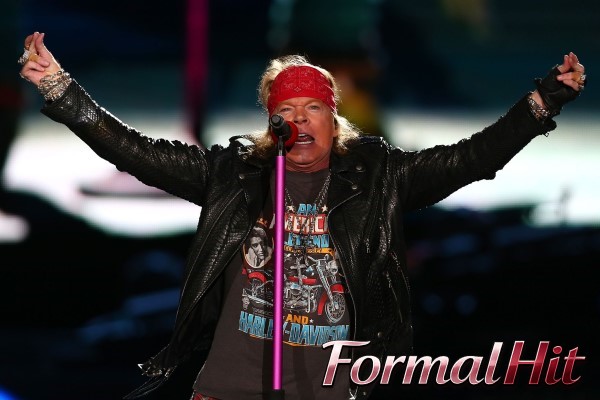
Before the world knew him as Axl Rose, the man who would front Guns N’ Roses grew up under a different identity: William Bruce Bailey. This name marks one of the most fascinating chapters in rock history, tied to a turbulent childhood, a name change that reshaped his identity twice, and a family story that helps explain the intensity fans see on stage. Understanding William Bruce Bailey means understanding the roots of one of music’s most compelling figures.
Who Was William Bruce Bailey Before He Became Axl Rose?
William Bruce Bailey was not the name given at birth. He was born William Bruce Rose Jr. on February 6, 1962, in Lafayette, Indiana, to Sharon Elizabeth Lintner, then just 16 years old, and William Bruce Rose Sr., who was 20. The pregnancy was unplanned, and the young couple’s relationship did not last.
By the time he was two, his parents had separated. His mother later remarried, and that marriage is where the Bailey name enters the story.
The Complicated Family History Behind the Name
A Father Who Disappeared
According to biographical accounts, William Rose Sr. had a troubled reputation locally. After the separation, he reportedly took his young son without permission before vanishing from the area entirely. For years, the boy had no contact with his biological father, and the family rarely spoke of him.
This absence created a void that Sharon’s next marriage would attempt to fill, though not without complications of its own.
A New Name, A New Household
Sharon married Stephen L. Bailey, and her son’s name was legally changed to William Bruce Bailey. For most of his childhood, he believed Stephen Bailey was his biological father. He would not learn the truth until he was 17 years old, a revelation that reportedly shook his sense of identity and family.
Two younger siblings, half-sister Amy and half-brother Stuart, were also raised under the Bailey name, and together the three children grew up in a household defined by strict religious observance.
Growing Up as William Bruce Bailey in Lafayette, Indiana
The Bailey household followed Pentecostal Christianity closely, with church attendance several times a week. Music outside of hymns and gospel was reportedly discouraged, and television access was limited. For a boy who would later channel raw energy into some of rock’s most electrifying performances, this restrictive upbringing stands in sharp contrast to the persona he would eventually create.
Reports describe the home environment as strict and, at times, harshly disciplined. William has spoken publicly in later interviews about difficulties within the household during those years, framing that period as formative to the anger and intensity that would later surface in his songwriting and stage presence.
The Bailey Trio and Early Music
Despite the constraints, music became William’s outlet. He and his siblings sang together as a gospel group nicknamed the Bailey Trio, performing at their local church and even practicing behind a library before taking the stage. He joined the choir at Jefferson High School and studied piano, developing a vocal range that hinted at the powerhouse singer he would become.
This early exposure to gospel and choral singing likely shaped the vocal control and range that later defined Guns N’ Roses’ biggest hits.
From William Bruce Bailey to Axl Rose: How and Why the Name Changed
By his late teens, William had learned the truth about his biological father and began distancing himself from the Bailey name and the household it represented. He started performing locally under the name Axl, reportedly borrowed from a former bandmate’s group, and eventually adopted Rose as a surname, honouring the biological father he barely knew.
The full transformation to W. Axl Rose became official, and by the time Guns N’ Roses formed in Los Angeles in 1985, the William Bruce Bailey identity had been left behind entirely, at least publicly. The band’s explosive rise with albums like Appetite for Destruction (1987) cemented Axl Rose as one of rock’s defining voices, but the name change itself reflects something deeper than image reinvention. It represents a conscious break from a painful chapter of his life.
| Name | Period | Context |
|---|---|---|
| William Bruce Rose Jr. | Birth (1962) | Given name at birth in Lafayette, Indiana |
| William Bruce Bailey | Childhood through late teens | Name changed after mother’s remarriage to Stephen Bailey |
| W. Axl Rose | Late teens onward | Adopted after learning about his biological father; used professionally |
What Happened to Stephen Bailey?
Stephen Bailey’s role in this story remains a point of public discussion, largely because of statements Axl Rose has made in interviews and, notably, in Guns N’ Roses lyrics over the years. Rose has described a difficult and, by his account, abusive relationship with his stepfather, contributing to the fractured family dynamic that ultimately led to the name change.
It is worth noting these accounts come primarily from Rose’s own public statements rather than court records or independent verification, and readers interested in the full context should consult reputable biographical sources rather than secondhand summaries.
Common Questions About William Bruce Bailey
Is William Bruce Bailey the same person as Axl Rose? Yes. William Bruce Bailey is the name Axl Rose used from childhood until his late teens, following his mother’s remarriage. He was born William Bruce Rose Jr. and later adopted the stage name W. Axl Rose.
Why did Axl Rose change his name from Bailey? After learning at 17 that Stephen Bailey was not his biological father, he began separating himself from the Bailey identity and the difficult household associated with it, eventually adopting Rose as a tribute to his birth father.
Where was William Bruce Bailey born? He was born in Lafayette, Indiana, on February 6, 1962.
Did William Bruce Bailey have siblings? Yes, a younger sister named Amy and a younger half-brother named Stuart, both raised in the same household and part of the Bailey Trio gospel group.
Is Bailey his legal name today? No. He legally goes by W. Axl Rose and has used that name professionally and personally for decades, though Bailey remains part of his documented biographical history.
Why the Name Still Matters Today
Fans and music historians continue to research William Bruce Bailey because it offers a fuller picture of the man behind one of rock’s most iconic voices. The name change was not simply a branding decision; it reflected a genuine reckoning with identity, family trauma, and the search for belonging. Understanding this backstory adds depth to songs like “Sweet Child O’ Mine” and “November Rain,” many of which draw on emotional experiences from these formative years.
For anyone researching Guns N’ Roses history, biography projects, or the broader story of how artists reinvent themselves, William Bruce Bailey represents more than a footnote. It is the starting point of a transformation that led to one of rock music’s most enduring legacies.
Final Thoughts
The story of William Bruce Bailey is really the origin story of Axl Rose, one shaped by absence, reinvention, and resilience. From a religious household in Lafayette, Indiana, to the world’s biggest stages, this journey shows how personal history can fuel artistic expression in unexpected ways. If you’re exploring the roots of rock’s most electrifying frontman, understanding his early years as William Bruce Bailey is an essential place to start. Dive deeper into Guns N’ Roses’ history, and you’ll find that every scream, riff, and lyric carries a piece of that formative story.


