



The Wilderness Lake That Families Keep Coming Back To And Why You Should Too
There’s something almost magnetic about bobs lake. People visit once and find themselves planning the next trip before they’ve even unpacked at home. Located in South Frontenac, Eastern Ontario, this extraordinary body of water sits roughly midway between Toronto and Montreal, making it one of those rare destinations that feels genuinely remote while remaining surprisingly accessible. Whether you’re a seasoned angler, a cottage-country regular, or someone desperately overdue for a proper escape from city life, bobs lake delivers in ways that most Ontario lakes simply can’t match.
The Physical Character and Scale of Bobs Lake
When people first pull up a bobs lake map and get a sense of the scope here, they’re usually surprised. This is not a small, quiet pond tucked behind a highway. Bobs lake covers approximately 7,962 acres roughly 32 square kilometres making it the largest wilderness lake in rural Ontario. The lake splits broadly into a northeastern section and a southwestern section, each with its own distinct character and depth profile. The northeast portion reaches depths of about 75 feet with an average depth of around 21 feet, while the southwest section plunges deeper, hitting roughly 84 feet with an average depth of 32 feet. Four connected basins in the southwest are linked by a series of narrows that create genuinely dramatic scenery and productive fishing structure.
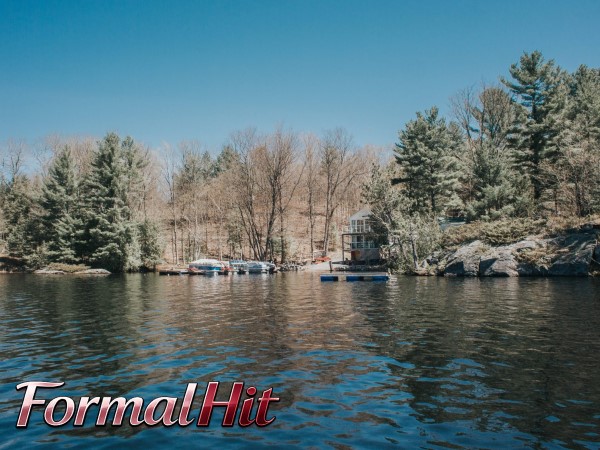
The shoreline is rugged, rocky, and forested in the classic Canadian Shield tradition granite outcroppings, ancient pines, and clear water that shifts from pale green in the shallows to deep blue-black in the basins. Visually, the lake punches well above its weight. Anyone who has watched a sunset over the water here, or heard the loons calling after dark, tends to run out of adequate adjectives fairly quickly.
A Rich History That Goes Back Over 150 Years
Bobs lake has a history that most visitors don’t fully appreciate. The lake as it exists today was actually created in 1870, when a dam constructed at Bolingbroke raised water levels by 15 to 18 feet, merging four separate bodies of water into one connected lake. Before that, Scottish and Irish settlers had been farming and logging the area since the 1830s, arriving after the completion of the Rideau Canal in 1832. By 1872, the Kingston and Pembroke Railroad ran along the western shore all the way to Tichborne, opening the area to the first wave of recreational visitors. Those early tourists came primarily for one thing the fishing and that tradition has never stopped. The earliest cottagers built humble cedar log cabins along the shore in the early 1900s, and some of those original structures still stand today.
Understanding Bobs Lake Water Level
One thing any serious cottager or visitor quickly learns is that bobs lake water level is not static it fluctuates quite significantly throughout the year, and understanding why makes a real difference to your experience. Bobs lake functions as a reservoir for the Rideau Canal system, and Parks Canada holds sole responsibility for managing water levels through the Bolingbroke dam at the lake’s northeastern tip. The management follows what’s called a Rule Curve, a scientific model developed using 40 years of data from precipitation rates to lake evaporation. Under this model, the difference between high and low water levels averages approximately 1.7 metres about four feet and nine inches across each year. The drawdown typically runs at around 1.7 centimetres per day over a 100-day period from late June through mid-October, as the lake feeds the Rideau Canal. In exceptionally dry years, the bobs lake water level can drop even further, which affects dock access and shallow-bay navigation. Cottagers and visitors who keep an eye on seasonal levels plan accordingly, and the Bobs and Crow Lake Association actively tracks and shares this information with the local community.
Bobs Lake Fishing A Genuine Angler’s Paradise
Ask any experienced Ontario angler about bobs lake fishing and you’ll get an enthusiastic response almost every time. The lake supports a genuinely impressive variety of species across its different zones. The shallow, weedy waters of Mud Bay and Mill Bay hold quality largemouth bass and northern pike, making those areas productive for anglers who enjoy casting into weed edges and structure. Rocky shorelines, underwater humps, and shoals throughout both basins hold excellent populations of smallmouth bass and bobs lake fishing for smallmouth is, by most accounts, as good as it gets in Eastern Ontario. Walleye are another major draw, particularly in late summer when they suspend over deep water feeding on cisco. Anglers targeting walleye tend to fish anywhere from 25 to 35 feet down over 70 to 100 feet of water, particularly in the west basin and Green Bay, with most action happening from dusk into the early hours. Lake trout had largely disappeared from the lake over several decades but have been actively restocked in recent years, with the best opportunity coming early in the season in the deeper waters of the main basin. Bobs lake fishing sits within Fisheries Management Zone 18, and a valid Ontario fishing licence is required. The public boat launch at the end of Steele Road provides the main access point for anglers bringing their own boats.
Navigating With a Bobs Lake Map
Anyone planning to explore the water by boat should spend some time studying a proper bobs lake map before heading out. The lake’s layout is genuinely complex multiple basins, connecting narrows, dozens of islands, and a connected channel to neighbouring Crow Lake to the west make this a lake where local knowledge matters enormously. Detailed nautical charts and fishing maps are available that show depth contours, shoals, underwater humps, and boat launch locations across both the northeast and southwest sections. A good bobs lake map will show you how the four southwestern basins connect through the narrows, which is where walleye like to hold, and help you identify the rocky points and underwater structure that concentrate smallmouth bass. For anyone new to the lake, spending time with a quality map before the first trip out saves a lot of frustration and dramatically improves the fishing and boating experience.
Bobs Lake Trail Hiking, Biking, and Exploring on Land
The outdoor experience at bobs lake extends well beyond the water. The surrounding landscape offers a variety of hiking and biking opportunities that showcase the Canadian Shield at its most dramatic. A popular draw for adventurous visitors is the old mica mines accessible from the lake, where remnants of early mining operations including an old mining car visible from the water sit amid rock faces, pits, and crevices. The bobs lake trail options range from casual lakeside walks to more rugged Canadian Shield scrambles over granite and through mixed forest. The nearby village of Westport, just about 22 minutes from the lake, adds further trail and walking opportunities and makes a genuinely charming half-day excursion. For cyclists, the quiet country roads surrounding the lake offer scenic riding through farmland and forest with very little traffic. In winter, the frozen lake itself becomes a destination, transforming into a natural skating surface that draws families from across the region.
Family Life, Cottage Culture, and Community Around the Lake
Bobs lake has built a genuine community identity over generations. The Bobs and Crow Lake Association actively works to protect water quality, manage environmental concerns, and advocate for residents and visitors alike. Cottage associations on various shores of the lake have operated for decades the original cottagers’ group on the east side of the lake traces its roots back to 1949. Today, the lake draws families from across Ontario and beyond for multi-generational cottage experiences. It hosts weddings, corporate retreats, family reunions, and summer camps on its shores, with several professionally managed cottage properties offering accommodation for groups of 35 or more. Recent visitor reviews consistently highlight the pristine water quality, the breathtaking sunsets, and the remarkable range of activities available from kayaking and paddleboarding to pickleball, zip lines, and lakefront bonfires.
Economic Value and What Bobs Lake Offers Visitors Today
The economic contribution of bobs lake to the South Frontenac region is substantial. Cottage rentals, tourism services, local restaurants, and outdoor recreation businesses all depend on the steady flow of visitors this lake attracts year-round. Premium lakefront cottage properties rent for significant nightly rates during peak season, and the area has seen growing interest from urban Canadians seeking authentic wilderness experiences without a full day’s drive. Perth and Kingston, both roughly 50 minutes away, provide urban amenities while leaving the lake’s rural character entirely intact. Bobs lake continues to attract new generations of visitors who discover it through word of mouth, travel media, and an increasingly active online presence and almost without exception, those first-time visitors become repeat visitors. That repeat loyalty is, in many ways, the clearest measure of what this remarkable lake delivers.


