

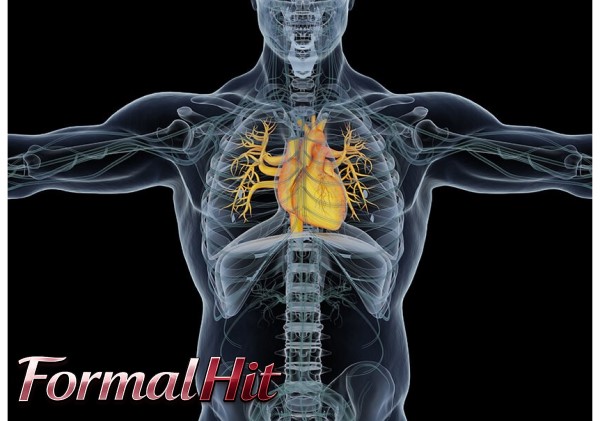
Your heart is arguably the hardest-working organ in your body, and when something feels off, doctors need answers that are both precise and reliable. That’s exactly where cardiac MRI comes in. Unlike a standard chest X-ray or even an echocardiogram, a cardiac MRI delivers a level of detail that genuinely changes how physicians diagnose, monitor, and treat heart conditions. Whether your cardiologist just recommended one or you’re simply trying to understand what this test involves, this guide walks you through everything from what it actually shows to how long you’ll be lying in that machine.
What Is a Cardiac MRI and Why Does It Matter?
A Cardiac MRI, short for cardiac magnetic resonance imaging, uses powerful magnetic fields and radio waves to produce highly detailed images of the heart and surrounding structures. There’s no radiation involved, which immediately sets it apart from CT scans and X-rays. That distinction matters, especially for patients who need repeated imaging over time to monitor a chronic condition.
Cardiologists and radiologists rely on cardiac MRI because it captures both the structure and the function of the heart in a single session. It can assess the size of the heart chambers, the thickness of the heart walls, how well the heart muscle contracts, blood flow patterns, and whether any tissue has been damaged. Furthermore, it provides a level of soft-tissue contrast that no other imaging modality currently matches, making it the gold standard for many cardiac diagnoses.
The technology has evolved significantly over the past two decades. Today, most major hospitals and cardiac imaging centres across Canada offer cardiac MRI as a routine diagnostic tool rather than a specialist-only procedure. Accessibility has improved, and so has the speed and clarity of the scans themselves.
What Does Cardiac MRI Show?
So, what does cardiac MRI show that other tests can’t quite capture? Quite a lot, actually. It gives clinicians a comprehensive picture of cardiac anatomy and physiology in ways that are difficult or impossible to replicate with ultrasound or nuclear imaging alone.
Specifically, cardiac MRI can identify and evaluate the following conditions with remarkable accuracy:
Cardiomyopathy, which involves abnormal thickening, thinning, or stiffening of the heart muscle, shows up clearly on cardiac MRI. Physicians can distinguish between different types hypertrophic, dilated, and restrictive based on the imaging patterns. Heart failure assessment also benefits greatly from this tool, as it quantifies ejection fraction (how effectively the heart pumps blood) with precision.
Congenital heart defects in both children and adults are another area where cardiac MRI truly excels. Because it captures three-dimensional anatomy without exposing young patients to radiation, it’s particularly valuable for paediatric cardiology. Additionally, it detects cardiac tumours, pericardial disease (conditions affecting the sac around the heart), valve dysfunction, and damage left behind after a heart attack. In fact, late gadolinium enhancement a specific cardiac MRI technique can pinpoint exactly where scar tissue exists in the heart muscle following a myocardial infarction.
Cardiac MRI vs. Other Imaging Tests
Compared to an echocardiogram, cardiac MRI provides superior image quality and isn’t limited by a patient’s body type or lung interference. Compared to nuclear stress testing, it avoids radioactive tracers entirely. Compared to CT angiography, it skips the radiation exposure. Each modality has its place, but cardiac MRI fills a gap that the others simply can’t.
How Long Is a Cardiac MRI?
One of the most common questions patients ask before their appointment is: how long is a cardiac MRI? The honest answer is that it varies depending on what your doctor needs to assess, but most standard cardiac MRI scans run between 45 minutes and 90 minutes.
That’s longer than most people expect, and it’s worth preparing for mentally. You’ll be lying still inside a narrow, tube-shaped machine for most of that time, and the technologist will ask you to hold your breath briefly at several points during the scan. These breath-holds typically last between 10 and 15 seconds each and help eliminate motion blur from the images.
For more complex studies particularly those that require contrast dye (gadolinium) to be injected partway through the full appointment including preparation and recovery time can stretch to around two hours. Patients with conditions like arrhythmias or those who have difficulty holding their breath may also require additional time or specialized scanning sequences. Therefore, it’s always a good idea to clear your schedule and avoid feeling rushed on the day of your appointment.
Stress Cardiac MRI: The Test That Pushes Your Heart
While a standard cardiac MRI captures your heart at rest, a stress cardiac MRI takes things one step further by evaluating how your heart responds under physical or pharmacological stress. This version of the test is especially useful for diagnosing coronary artery disease a condition where the arteries supplying blood to the heart become narrowed or blocked.
During a stress cardiac MRI, a medication such as adenosine or dobutamine is administered intravenously to simulate the effects of exercise on the heart. This causes the heart to work harder, which reveals areas of the heart muscle that aren’t receiving adequate blood supply. Those areas show up as reduced perfusion on the imaging, pointing directly to the location and extent of any blockages.
Who Should Consider a Stress Cardiac MRI?
Stress cardiac MRI is particularly recommended for patients who experience chest pain or shortness of breath during physical activity, those with inconclusive stress ECG results, individuals who are unable to exercise on a treadmill due to physical limitations, and patients where radiation exposure from nuclear perfusion imaging needs to be avoided. Because it combines functional and structural assessment in a single scan, stress cardiac MRI is increasingly preferred over older stress testing methods in many Canadian cardiac centres.
Preparing for Your Cardiac MRI: What to Expect
Preparation for a cardiac MRI is relatively straightforward, though there are a few important steps. Most patients are asked to avoid caffeine for 24 hours before the test, particularly if a stress component is involved. You’ll also need to remove all metal objects jewellery, piercings, and hearing aids before entering the scanning room, as the magnetic field is extremely powerful.
If you have any implanted metal devices such as a pacemaker, defibrillator, or certain types of surgical clips, you must inform your care team well in advance. While many modern cardiac implants are MRI-compatible, not all are, and this needs to be verified before your appointment. Patients with claustrophobia should also speak up early, as sedation or open MRI alternatives can often be arranged.
Recent Advancements Making Cardiac MRI Even Better
The field of cardiac MRI continues to advance rapidly. Newer scanning protocols have significantly reduced scan times without sacrificing image quality. Artificial intelligence now assists in analyzing cardiac MRI data, flagging abnormalities faster and with greater consistency than manual review alone. Motion-correction algorithms have also improved, making the test more feasible for patients who struggle with breath-holding due to heart failure or lung disease.
Portable and lower-field MRI systems are also emerging, which could eventually bring cardiac MRI to smaller community hospitals and remote areas a particularly meaningful development for patients in rural Canada who currently face long travel times to access specialized cardiac imaging.
The Bottom Line on Cardiac MRI
When your heart health is on the line, precision matters enormously. Cardiac MRI stands out as one of the most comprehensive, radiation-free, and diagnostically powerful tools available to modern cardiology. Whether your physician is investigating unexplained symptoms, monitoring a known condition, or assessing damage after a cardiac event, this imaging technology delivers answers with a level of clarity that genuinely improves outcomes.
If you’ve been referred for a cardiac MRI, approach it with confidence. It’s one of the most informative things your care team can do for your heart and your heart deserves nothing less than the best information available.
