
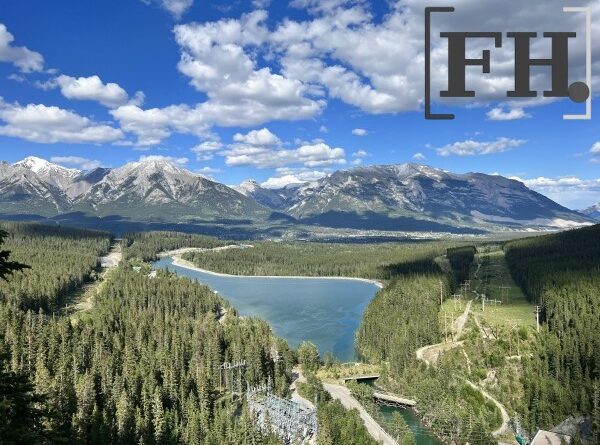
Where the Rockies Open Up: The Magic of Grassi Lakes Revealed
Few places in the Canadian Rockies manage to pack so much beauty into such an accessible hike. Grassi Lakes, tucked just outside the mountain town of Canmore, Alberta, is one of those rare destinations that delivers on every promise impossibly blue-green water, ancient rock art, towering limestone cliffs, and views that make you stop mid-step just to take it all in. Whether you’re a seasoned trail runner or someone lacing up hiking boots for the very first time, this spot has a way of leaving a mark on you.
What Makes Grassi Lakes So Special?
Two Lakes That Seem Almost Unreal
The first thing most visitors notice when they finally reach the lakes is the color. The water at Grassi Lakes isn’t just blue it’s that vivid, almost surreal turquoise that looks like someone dumped dye into a mountain bowl. That striking hue comes from glacial rock flour suspended in the water, tiny particles ground down by centuries of glacial movement that scatter light in a way that makes the lakes glow. Even on overcast days, the color holds.
There are two lakes side by side, each framed by dense forest and dramatic cliff walls. The upper lake sits slightly higher and tends to be the quieter of the two, though both draw plenty of admirers, especially on summer weekends. Standing between them with the Three Sisters peaks rising in the background is one of those experiences you genuinely can’t capture in a photo you have to be there.
The Ancient Pictographs Hidden in Plain Sight
Beyond the lakes themselves, Grassi Lakes holds something most visitors aren’t expecting: Indigenous rock art. Near the lower lake, a series of red ochre pictographs are painted on the cliff face, believed to be created by the Îyârhe Nakoda (Stoney Nakoda) people. These markings have survived for centuries, a quiet reminder that this land carries a deep human history long before it became a hiking destination. Taking a moment to acknowledge this history adds real depth to the visit.
Getting to Grassi Lakes: The Basics
Location and Access
Grassi Lakes sits within the Canmore Nordic Centre Provincial Park, right on the edge of Canmore, Alberta — about 80 kilometers west of Calgary along the Trans-Canada Highway. The trailhead is easy to find and well-signed, with a designated parking area off Spray Lakes Road. Parking fills up fast on summer mornings, so arriving before 9 a.m. is a genuinely good idea if you want a smooth start.
The area sits within the traditional territory of the Îyârhe Nakoda, Tsuut’ina, and Blackfoot nations, a fact worth knowing and honoring as you visit.
Grassi Lakes Trail Options: Easy or Hard Route?
One of the best things about hiking to Grassi Lakes is that you actually get to choose your own adventure. There are two distinct trail options heading up to the lakes, and they suit very different kinds of hikers.
The Easy Route
The easier path is a well-maintained gravel trail with a gentler gradient, making it suitable for families with young children, older hikers, or anyone who just wants a relaxed walk without any scrambling. The distance is roughly 3.5 kilometers round trip, and the elevation gain sits around 150 meters. It winds through forest before opening up to the lakes, and the pace feels almost leisurely compared to the hard route.
The Hard Route
The harder trail is shorter in distance but significantly more demanding. It gains elevation quickly through a series of rock steps and steeper terrain, with some sections that require using your hands for balance. The views along the way are outstanding, and the sense of accomplishment when you arrive at the lakes is noticeably stronger. Most fit adults complete the hard route in about 45 minutes. Coming down via the easy trail is a popular option that gives you the best of both paths.
When to Visit Grassi Lakes
Summer Is Peak Season — For Good Reason
The lakes are accessible from late spring through early fall, roughly May through October depending on snowpack. Summer brings the most consistent conditions: clear trails, warm temperatures, and the most vibrant water color. July and August are peak months, which means the trailhead can get genuinely crowded. Going on a weekday or arriving early on weekends makes a real difference in terms of peace and parking.
The wildflowers along the trail in June and early July are worth mentioning on their own. Patches of yellow, purple, and white blooms line the path and contrast beautifully against the grey limestone above.
Fall Hiking at Grassi Lakes
September and early October offer arguably the most photogenic conditions of the year. The larch trees in the surrounding valleys turn golden, the crowds thin out, and the crisp air gives everything a sharper, cleaner quality. Temperatures drop quickly once the sun dips behind the peaks, so layering is essential. Fall hikers consistently describe this version of Grassi Lakes as their favorite, and it’s easy to understand why.
Winter and Early Spring
Technically, the trail can be accessed year-round, but winter brings significant hazards. Ice on the rock steps makes the hard route genuinely dangerous without proper traction devices like microspikes. Snowshoeing to Grassi Lakes is a possibility for experienced winter hikers with the right gear, but casual visitors are better off sticking to the summer and fall seasons.
What to Bring and How to Prepare
Essential Gear for the Hike
The Grassi Lakes trail doesn’t require any specialized mountaineering equipment, but treating it like a proper hike rather than a casual stroll makes the experience much more enjoyable and safe. Sturdy footwear with ankle support matters, especially on the hard route. Bring more water than you think you’ll need — the dry mountain air dehydrates faster than most people expect — along with sunscreen, sunglasses, and a light jacket even in summer.
Wildlife Awareness
The Canmore corridor is active bear country. Carrying bear spray and knowing how to use it is genuinely recommended, not just a formality. Making noise on the trail and hiking in groups reduces the likelihood of surprising a bear. Cougars also live in the area. The trails around Grassi Lakes are well-traveled enough that solo wildlife encounters are uncommon, but the risk is real and worth respecting.
Beyond the Lakes: Exploring the Area
Grassi Lakes doesn’t exist in isolation. Canmore sits at the gateway to Banff National Park, meaning a day that starts at the lakes can easily extend into one of the most iconic mountain landscapes on earth. The Canmore Nordic Centre trails connect to an extensive network suitable for mountain biking in summer and cross-country skiing in winter. The town itself has developed a strong reputation for quality restaurants, local breweries, and mountain-inspired shops worth exploring after a morning on the trail.
Rock climbers will recognize the cliff bands above Grassi Lakes as some of the most popular sport climbing in the Rockies, with well-established routes ranging from beginner to expert levels. Watching climbers work their way up the limestone walls while you sit beside the turquoise water adds an unexpected layer of entertainment to the visit.
Why Grassi Lakes Belongs on Your Mountain Itinerary
There’s a reason Grassi Lakes consistently shows up near the top of “best hikes near Canmore” and “best hikes in Alberta” lists. It manages to be approachable without being underwhelming, short without feeling incomplete, and beautiful without requiring effort that discourages casual visitors. The combination of those teal lakes, the limestone cliffs, the ancient pictographs, and the surrounding peaks creates something genuinely difficult to replicate anywhere else.
If you’re planning a trip to the Canadian Rockies and trying to figure out where to spend your limited trail time, Grassi Lakes earns its place without hesitation. Go early, stay longer than you think you need to, and don’t forget to look past the lakes themselves — the whole landscape here has something to say.