



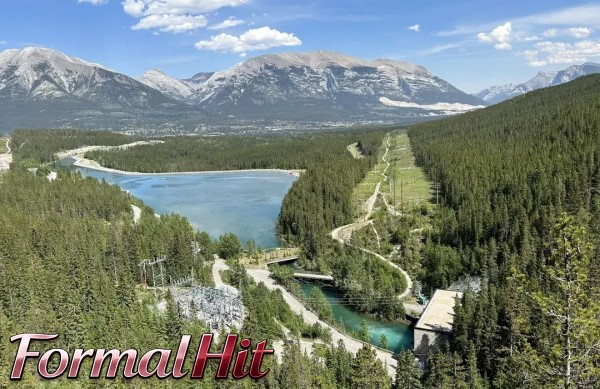
Few places in the Canadian Rockies leave you genuinely speechless on the trail. Grassi Lakes is one of them. Tucked just outside Canmore, Alberta, this destination manages to pack an almost unfair amount of beauty into a relatively short outing turquoise water so vivid it looks digitally enhanced, ancient pictographs carved into canyon walls, and mountain views that remind you exactly why people fall in love with this part of the country. Whether you’re a seasoned hiker or someone lacing up trail shoes for the first time, Grassi Lakes rewards every step you take toward it.
Why Grassi Lakes Belongs on Your Alberta Bucket List
Canmore doesn’t lack for stunning scenery, but Grassi Lakes holds a special place even among locals who’ve spent decades exploring the surrounding peaks and valleys. The twin alpine lakes sit at roughly 1,700 metres elevation, cradled beneath the towering face of Ha Ling Peak. Their striking aquamarine colour comes from glacial rock flour suspended in the water fine mineral particles ground down by centuries of glacial movement that scatter light in ways that make every photograph look almost too good to be real.
Beyond the visual spectacle, what makes Grassi Lakes genuinely compelling is the layered experience it offers. You’re not just looking at pretty water. You’re standing near Indigenous rock art that predates European contact by centuries, surrounded by a limestone canyon carved by meltwater over thousands of years. There’s real history embedded in that landscape, and it gives the visit a depth that purely scenic destinations sometimes lack.
The area sits within Kananaskis Country and is managed in partnership with Alberta Parks, meaning the trails are well-maintained and accessible for most of the warmer months. Typically, the site opens after snowmelt in late May and remains accessible through October, though early season visits can still encounter icy patches on shadier sections of the path.
Understanding the Grassi Lakes Trail
Two Routes, One Stunning Destination
The Grassi Lakes Trail offers two distinct approaches, and choosing between them genuinely shapes your experience. Both routes start from the same trailhead parking area off Spray Lakes Road, but from there they diverge in character and effort.
The Easy Route follows a wider, well-graded path that gains elevation gradually through a mixed forest of spruce and pine. It’s the more popular choice for families with younger children, older hikers, or anyone who simply wants a relaxed climb with minimal technical challenge. The footing is generally stable, and the switchbacks keep the grade manageable throughout. Total distance for this option runs approximately 3.3 kilometres return, with around 280 metres of elevation gain. Most people complete the round trip in under two hours, though the lakes themselves tend to encourage longer stays.
The Difficult Route takes a more dramatic line up through the canyon, routing hikers past a thundering waterfall and through rocky terrain that demands a bit more attention underfoot. While it’s not technically demanding in the mountaineering sense, the footing is less forgiving, and some scrambling is involved near the canyon section. This path rewards those who take it with closer contact with the landscape the waterfall alone is worth the extra effort, especially during peak snowmelt in June when the flow is at its strongest.
What the Grassi Lakes Hike Actually Feels Like
Starting the Grassi Lakes hike from the trailhead, the forest immediately wraps around you in that particular way the Rockies do the air shifts, the sounds of the parking lot fade, and you’re suddenly somewhere quieter and larger than yourself. Both trail options pass through subalpine terrain, with increasingly open views toward the Bow Valley and Canmore’s distinctive skyline as you gain elevation.
As you approach the lakes, the first glimpse of that turquoise water through the trees tends to stop people in their tracks. It’s one of those rare landscape moments where your brain takes a second to process that you’re not looking at a postcard. The lower lake comes into view first, and most hikers continue around the shoreline to the upper lake, which sits slightly higher and offers slightly better framing against the surrounding peaks.
The pictographs red ochre figures painted on limestone by Indigenous peoples, likely members of the Stoney Nakoda Nation are located on the rock face near the upper lake. They’re subtle if you don’t know what to look for, so take your time scanning the wall at eye level. Interpretive signage nearby provides helpful context, and it’s worth reading rather than rushing past.
Planning Your Visit to Grassi Lakes
Best Time to Go
Summer and early fall deliver the most reliable conditions for Grassi Lakes hikes. July and August bring the warmest temperatures and the highest likelihood of clear skies, though they also bring the most visitors. If you prefer a quieter experience, aim for a weekday in September the larches in nearby areas begin their golden turn, the crowds thin noticeably, and the air carries that particular crispness that feels uniquely autumnal in the mountains.
Spring visits are possible but variable. Snow lingers on the upper sections of the trail well into May, and the parking lot itself can be inaccessible during heavy snowfall periods. Always check current trail conditions through Alberta Parks or Kananaskis Country’s trail report system before heading out.
Getting There and Parking
Grassi Lakes sits about five kilometres south of Canmore’s main street, making it one of the most accessible alpine hikes in the region. From the Trans-Canada Highway, take the Canmore exit and follow signs toward Spray Lakes Road. The dedicated trailhead parking lot holds a reasonable number of vehicles, but it fills quickly on summer weekends arriving before 8:00 a.m. during peak season virtually guarantees a spot, while arriving after 10:00 a.m. often means a wait or an overflow parking situation.
No transit service currently runs directly to the trailhead, so a personal vehicle or rideshare remains the practical option for most visitors.
What to Pack
The Grassi Lakes trail doesn’t demand expedition-level gear, but a few basics make a meaningful difference. Bring at least one litre of water per person the elevation gain is modest but consistent, and the dry mountain air accelerates dehydration faster than most people expect. Sturdy trail shoes or hiking boots handle both route options comfortably; road runners or casual sneakers work on the easy trail but become inadequate on the difficult canyon route.
A light jacket is worth tucking into your pack regardless of the forecast. Mountain weather shifts quickly, and what begins as a warm morning can turn cool and breezy by the time you reach the lakes. Sunscreen matters too UV exposure increases with elevation, and the open sections near the upper lake offer little shade.
Respecting the Landscape
Leave No Trace at Grassi Lakes
Grassi Lakes absorbs an enormous number of visitors annually, and the pressure on the immediate lakeside environment is visible to anyone paying attention. The shorelines have eroded noticeably in high-traffic areas, and the impulse to wade into the shallows however understandable contributes to further degradation of the fragile aquatic ecosystem.
Stay on designated trails, pack out everything you pack in, and resist the urge to disturb the rocks near the pictographs or attempt to touch the painted figures. These images are irreplaceable, and contact accelerates their deterioration. The Stoney Nakoda Nation considers this site culturally significant, and treating it with that weight in mind changes how you experience it.
Final Thoughts
The Grassi Lakes trail earns its reputation honestly. It’s not the longest Grassi Lakes hike in the region, nor the most technically demanding, but it delivers a concentration of natural and cultural wonder that few trails in Canada can match within a similar distance. The water is as striking in person as it appears in photographs perhaps more so, because photographs can’t capture the sound of the canyon or the smell of the spruce forest or the specific quality of mountain light at 9:00 in the morning. Those details belong only to the people who actually show up and walk it. So show up, walk it, and give yourself enough time to simply sit beside the water for a while. The Rockies are patient. You should be too.


