



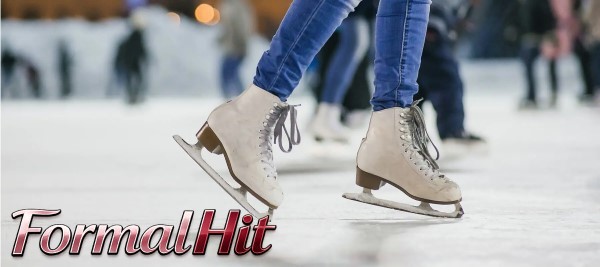
Ice skating is more than just a winter pastime in Canada it’s woven into the very fabric of who we are as a people. From frozen backyard ponds in rural Manitoba to world-class indoor arenas in Vancouver, Canadians have been strapping blades to their feet for generations. Whether you’re a complete beginner or someone looking to sharpen your skills, there’s never been a better time to get out on the ice. This guide covers everything from picking the right gear to finding the best rinks near you.
What Makes Ice Skating So Enduringly Popular?
There’s something almost magical about the feeling of gliding across a smooth sheet of ice. It’s a full-body workout that doesn’t feel like one. Unlike running or cycling, ice skating engages your core, legs, and even your arms in a way that feels genuinely joyful rather than like a chore. According to fitness experts, a one-hour session can burn anywhere from 300 to 650 calories depending on your pace and intensity.
Beyond the physical benefits, ice skating is one of those rare activities that brings people together across all ages. Parents skate alongside toddlers, teenagers race each other, and grandparents glide along the boards all sharing the same ice. That sense of community is something you simply don’t find in a lot of other recreational activities, and it’s a big reason why rinks across Canada are still packed every weekend from November through March.
The Social and Mental Health Benefits
Skating outdoors, in particular, offers mental health benefits that go beyond simple exercise. Spending time in cold, fresh air while doing something rhythmic and skill-based has been linked to reduced anxiety and improved mood. Many Canadians describe their weekly skate as a form of moving meditation a chance to step away from screens, breathe deeply, and just move. Furthermore, the social element of visiting a rink keeps people connected during the darker winter months when isolation can creep in.
Getting the Right Gear: Ice Skating Shoes Matter More Than You Think
One of the most common mistakes beginners make is underestimating the importance of proper ice skating shoes. A lot of people rent whatever’s available at the front desk and wonder why their ankles hurt by the third lap. While rental skates are perfectly fine for a casual outing, investing in your own pair makes a significant difference in comfort, control, and overall enjoyment.
Choosing the Right Skate Type
There are three main categories of ice skating shoes to consider: figure skates, hockey skates, and recreational skates. Figure skates have a toe pick at the front and offer excellent ankle support, making them a solid choice for beginners who want stability. Hockey skates are more flexible with a curved blade, designed for quick lateral movements. Recreational skates tend to fall somewhere in between comfortable, affordable, and perfect for casual skaters who aren’t aiming for jumps or slap shots.
When shopping for ice skating shoes, always prioritize fit over price. Your heel should sit snugly at the back of the boot with minimal slippage, and your toes should have just enough room to wiggle without being cramped. Many specialty skate shops in Canada offer heat-moulding services, which custom-form the boot to the shape of your foot. It’s worth every penny.
Breaking In Your Skates
New ice skating shoes often require a break-in period. Don’t be discouraged if your first couple of skates feel stiff or uncomfortable that’s completely normal. Wearing thick wool socks during your first few sessions helps, and gradually the boot will soften and conform to your foot. Most skaters agree that after three to five sessions, a well-fitted skate begins to feel like an extension of the foot itself.
UBC Ice Skating: A Campus Gem Worth Visiting
If you’re in the Greater Vancouver area, UBC ice skating is one of the most underrated experiences the city has to offer. The University of British Columbia’s Doug Mitchell Thunderbird Sports Centre houses a full NHL-sized ice sheet that’s open to the public during drop-in skating hours. It’s a beautiful, modern facility, and because it’s tucked away on campus, it tends to be far less crowded than the downtown rinks.
UBC ice skating sessions attract a wonderfully diverse crowd international students trying skating for the first time, local families, fitness-focused adults, and university athletes all sharing the same ice. The vibe is relaxed and welcoming, which makes it an especially great option for nervous beginners. Skate rentals are available on-site, and the staff are generally quite helpful for newcomers.
Planning Your Visit to the UBC Rink
Before heading out, it’s a smart idea to check the current public skating schedule directly through the UBC Athletics website, as hours vary by term and can shift around holidays or varsity events. Parking on campus can be tricky during weekdays, so consider arriving early or taking transit via the 99 B-Line. The surrounding campus is gorgeous as well, so combining a skate with a walk through UBC’s rose garden or along the cliffs at Wreck Beach makes for a genuinely lovely day out.
Learning to Skate: Tips for Absolute Beginners
Getting started with ice skating doesn’t have to be intimidating. Every seasoned skater you admire on the ice was once a wobbly beginner clinging to the boards and most of them will tell you that the key is simply showing up consistently.
Start by learning to balance on two feet with your knees slightly bent. Keeping your knees bent is critical; it lowers your centre of gravity and makes you far more stable than standing upright. From there, practice shifting your weight from foot to foot in a gentle rocking motion. Don’t try to push forward too soon — get comfortable just standing and balancing before attempting to glide.
How to Fall Safely (and Get Back Up)
Falling is part of the process, and knowing how to do it safely is genuinely important. If you feel yourself losing balance, try to fall forward or sideways rather than backward, and tuck your chin to avoid hitting your head. Avoid putting your hands flat on the ice to catch yourself, as blades from other skaters could pass dangerously close. Instead, land on your forearm or the side of your hip.
Getting back up is its own little skill. Roll onto your knees, place one skate blade flat on the ice, then the other, and push yourself up using your thighs rather than your hands. It’s awkward at first, but it becomes second nature quickly.
Skating Beyond the Basics
Once you’ve got the fundamentals down, ice skating opens into a whole world of disciplines. Speed skating, figure skating, and ice dancing each offer years of progression and challenge. Even casual recreational skaters often find themselves naturally developing tricks backwards skating, hockey stops, crossovers simply by spending enough time on the ice.
Additionally, adult learn-to-skate programs are widely available across Canadian municipalities, often run through local recreation centres. These programs are affordable, judgment-free, and a wonderful way to build skills with others at the same level.
A Final Word on Why Ice Skating Is Worth It
At its core, ice skating is one of those activities that rewards you generously for showing up. The more time you put in, the better it feels and the better it feels, the more you want to keep going. Whether you’re chasing the crisp air of an outdoor rink in Ottawa, the polished ice of UBC ice skating sessions in Vancouver, or simply hunting for the best pair of ice skating shoes to call your own, the journey is genuinely half the fun. So lace up, bend those knees, and glide.


