

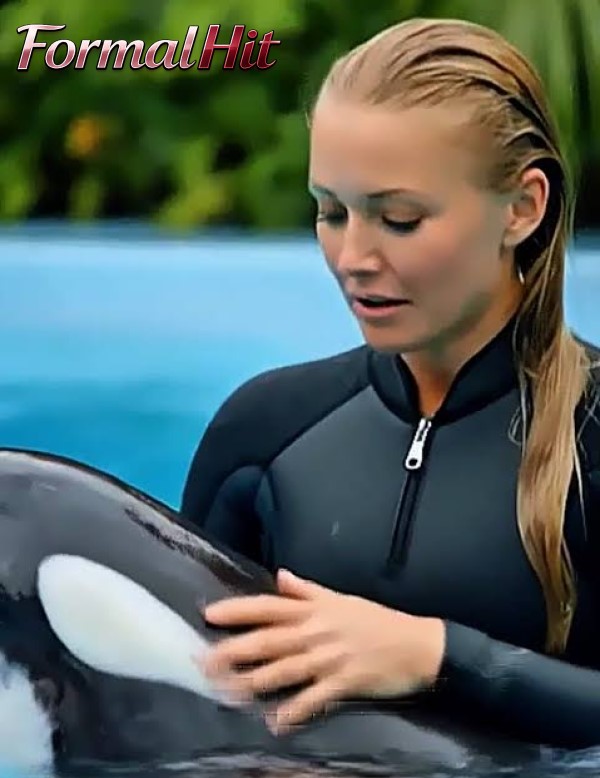
If you’ve scrolled through TikTok, Facebook, or YouTube in the past year, you’ve probably seen it: a chilling clip claiming an orca trainer named Jessica Radcliffe was killed by a killer whale during a live show. Captions like “Justice for Jessica” and “RIP Jessica Radcliffe” spread fast, racking up millions of views and setting off waves of comments demanding accountability from marine parks. But here’s the short version, before we go any further: Jessica Radcliffe never existed, and the orca attack tied to her name never happened.
This article breaks down where the story came from, why it fooled so many people, and what it reveals about a real and troubling shift in how misinformation spreads online. We’ll also look at the genuine, well-documented orca attacks that likely inspired the hoax, so you can tell fact from fiction the next time a similar video crosses your feed.
Who Is Jessica Radcliffe, Really?
There is no record of a marine mammal trainer named Jessica Radcliffe ever working at any accredited marine park. Fact-checking organizations, including Snopes and Full Fact, dug through employment records, news archives, and OSHA workplace safety filings and found nothing connecting that name to any real incident. No marine park called “Pacific Blue Marine Park,” “Ocean Haven Marine Park,” or “Bluecrest Marine Park” appears in any registry of licensed facilities, either.
The claim traces back to a YouTube video posted in January 2025 with the description “The HORRIFYING last moments of orca trainer Jessica Radcliffe.” That video pulled in roughly 1.5 million views before a second channel, Animal Quests, uploaded its own version months later, adding another half million views. Some of these uploads quietly admitted, buried in their descriptions, that they contained “dramatized reenactments” and “altered or synthetic content.” Most viewers scrolled right past that disclaimer.
Why the Story Felt So Believable
A few things made the Jessica Radcliffe orca attack story land harder than your average internet hoax:
- It borrowed from a real tragedy. The narrative closely echoes the 2010 death of SeaWorld trainer Dawn Brancheau, giving it a ring of plausibility.
- The footage looked convincing. AI-generated voiceovers and manipulated video clips gave the story a documentary-style feel.
- It tapped into existing fear. Orcas already carry a reputation, thanks to documentaries like Blackfish, as animals capable of turning on their handlers in captivity.
- Emotional captions drove shares. Phrases like “justice for Jessica” prompted people to share first and verify never.
The Jessica Radcliffe Orca Attack: What the Fact-Checkers Found
Multiple independent outlets investigated the claim, and they all reached the same conclusion. Vocal Media searched for OSHA accident reports, SeaWorld press releases, and news coverage and found nothing tying Jessica Radcliffe to any workplace fatality. Full Fact, a UK-based fact-checking organization, described her as “fictional” in its reporting, noting that even the earliest video sourcing the claim called her that. Snopes reached the same verdict, adding that the voices in the videos show clear signs of AI generation.
Forbes, the International Business Times, and Hindustan Times all separately labelled the footage a hoax. That level of consensus across outlets with no connection to one another is about as strong a signal as you’ll get that a story doesn’t hold up.
How to Spot an AI-Generated Hoax Video
Since this style of misinformation isn’t going away, it’s worth knowing the warning signs:
- No named source. Real workplace deaths generate coroner’s reports, OSHA filings, and local news coverage within hours. If a tragic story has none of that, be skeptical.
- Unnatural voice cadence. AI narration often has a flat rhythm or slightly off pacing, even when the words sound polished.
- Vague or invented locations. Search the marine park’s name. If it doesn’t show up outside the video itself, it likely doesn’t exist.
- Buried disclaimers. Creators sometimes admit content is dramatized or synthetic in fine print, knowing most viewers won’t read it.
- Emotionally loaded hashtags. Phrases built to provoke outrage or grief are often used to override critical thinking and drive shares.
The Real Orca Attack the Hoax Was Modelled On
The Jessica Radcliffe orca attack story didn’t come from nowhere. It borrows heavily from the death of Dawn Brancheau, a genuine and well-documented tragedy that shook the marine park industry.
On February 24, 2010, Brancheau, a 40-year-old senior trainer, was performing with a 12,000-pound orca named Tilikum at SeaWorld Orlando’s Shamu Stadium. According to a U.S. Occupational Safety and Health Administration report, Tilikum grabbed her and pulled her into the pool during what should have been a routine interaction on a poolside platform. An autopsy later confirmed she died of drowning and blunt-force trauma, with injuries including a fractured jaw and dislocated joints.
It wasn’t Tilikum’s first fatal incident. In 1991, the orca and two other whales were involved in the drowning death of trainer Keltie Byrne at Sealand of the Pacific in Canada. In 1999, a man who snuck into SeaWorld Orlando at night was found dead in Tilikum’s tank. Brancheau’s death led to OSHA citations against SeaWorld and, years later, contributed to the park’s decision to end its orca breeding program.
Dawn Brancheau vs. the Jessica Radcliffe Hoax
| Dawn Brancheau (2010) | Jessica Radcliffe (2025) | |
|---|---|---|
| Real person? | Yes, confirmed by employment records and family | No evidence she ever existed |
| Marine park | SeaWorld Orlando, verified | Named parks don’t exist in any registry |
| Official documentation | OSHA report, autopsy, news coverage | None found |
| Orca involved | Tilikum, a documented SeaWorld orca | “Titan,” not verified as a real animal |
| Footage | Real amateur video, confirmed by witnesses | AI-generated video and voiceover |
Why This Matters Beyond One Viral Video
It’s tempting to treat the Jessica Radcliffe orca attack as a harmless internet oddity, but it points to something bigger. AI tools now make it possible to fabricate a convincing tragedy, complete with a sympathetic victim and realistic footage, in a matter of hours. That has real consequences.
For one, it dilutes the seriousness of genuine incidents like Dawn Brancheau’s death, which raised legitimate safety questions about keeping large predatory animals in captivity for entertainment. When fake tragedies circulate alongside real ones, it becomes harder for the public to know which stories deserve their attention and advocacy. It also erodes trust generally; once people get burned by a convincing fake, they may start doubting real reporting too.
There’s also the discomfort of watching a fictional woman get mourned by strangers online, with hashtags and tribute posts built around someone who never lived. That’s not just an information problem. It’s a reminder of how easily emotion can be manufactured and monetized on social platforms.
Frequently Asked Questions
Is Jessica Radcliffe a real person? No. Fact-checkers found no employment records, news coverage, or official documentation confirming that anyone by this name worked as a marine mammal trainer, let alone died in an orca attack.
Did an orca really kill a trainer in 2025? No confirmed orca-related trainer death occurred in 2025. The viral video referencing “Jessica Radcliffe” has been debunked by multiple fact-checking organizations.
Has an orca ever really killed a trainer? Yes. Dawn Brancheau died in 2010 after an incident with Tilikum at SeaWorld Orlando, and Keltie Byrne died in a similar incident in 1991 in Canada. Both are well documented.
Why do people create hoaxes like this? Viral misinformation often generates ad revenue through views and engagement. Emotionally charged, tragic content tends to spread faster than neutral content, making it an easy target for creators chasing clicks.
How can I verify a viral tragedy before sharing it? Search the person’s name alongside terms like “obituary” or “news report.” Check whether established outlets have covered it. If only a single video or a handful of copycat channels reference the story, treat it with caution.
Final Thoughts
The Jessica Radcliffe orca attack is a fabricated story, built with AI tools and dressed up to resemble a real tragedy. No trainer by that name has ever worked with orcas, and no such incident appears in any official record. What did happen, and what deserves to be remembered accurately, is the death of Dawn Brancheau in 2010, a genuine loss that prompted real scrutiny of orca captivity and workplace safety at marine parks.
Before sharing the next viral tragedy that lands in your feed, take sixty seconds to check it against a legitimate news source. It’s a small habit, but it’s the difference between spreading truth and spreading someone’s manufactured grief.
