



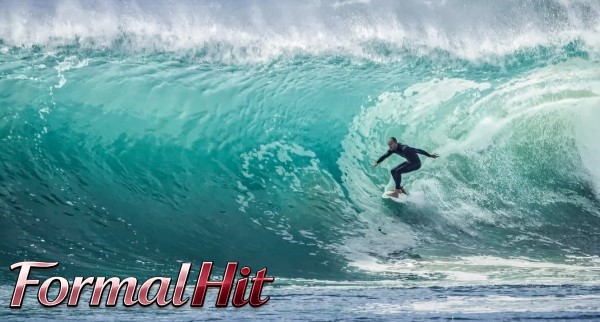
There’s something almost primal about surfing. The moment a wave lifts you, the board steadies beneath your feet, and the ocean carries you forward it’s unlike anything else on earth. Surfing has evolved far beyond its Polynesian roots into a global phenomenon that draws millions of enthusiasts every year. Whether you’re chasing massive swells in Hawaii, skimming across a glassy lake, or even battling cravings in a therapist’s office, it shows up in more corners of modern life than most people realize.
This article dives into what makes surfing so enduringly captivating, explores the different types of surfing taking the world by storm, and uncovers why this ancient practice keeps reinventing itself for new generations.
The Timeless Pull of Surfing
Surfing isn’t just a sport it’s a lifestyle, a mindset, and for many people, a form of therapy. The act of reading the ocean, paddling into position, and committing to a wave demands complete presence. There’s no room for distraction when a three-metre wall of water is rolling toward you. That total immersion is precisely what draws people back, day after day, regardless of how cold the water gets or how many times they wipe out.
From a physical standpoint, surfing delivers a full-body workout that most gym routines can’t replicate. Paddling builds upper body strength and cardiovascular endurance. Popping up onto the board demands explosive core power. Riding and steering the wave engages your legs, hips, and balance systems simultaneously. It’s demanding, humbling, and deeply rewarding all at once.
Beyond the physical, surfers consistently report a profound sense of mental clarity after time in the water. Researchers have connected regular ocean exposure to reduced stress hormones and improved mood. The surfing community has long understood what science is only now catching up to.
The Many Types of Surfing Worth Knowing
Traditional Wave Surfing
When most people picture surfing, they see a longboard or shortboard slicing across a breaking ocean wave. Traditional wave surfing is the foundation from which all other disciplines grew. Longboarding emphasizes smooth, flowing style and nose-riding hanging your toes over the front edge of the board while the wave rolls beneath you. Shortboarding, by contrast, is aggressive and performance-driven, built for aerial manoeuvres, sharp cutbacks, and riding deep inside the barrel of a wave.
Big wave surfing sits at the extreme end of this spectrum. Surfers tow into waves exceeding 15 metres using personal watercraft, chasing swells at legendary breaks like Nazaré in Portugal and Jaws in Maui. It’s one of the most dangerous sports in existence, requiring not just athletic skill but meticulous ocean knowledge and a calm, steely mindset.
Kite Surfing
Kite surfing sometimes written as kitesurfing or kiteboarding has exploded in popularity over the past two decades, and honestly, it’s not hard to see why. The rider stands on a small board while being propelled across the water by a large controllable kite harnessed to their body. The combination of wind power and wave energy creates a riding experience that feels completely different from traditional surfing faster, more airborne, and wildly exhilarating.
What sets kite surfing apart is its accessibility to flat-water riders. You don’t necessarily need ocean waves to enjoy it. Lakes, bays, and lagoons all work perfectly, which has opened the sport to landlocked enthusiasts who’d otherwise never have a chance. Learning kite surfing takes patience mastering kite control on land before ever touching the water is essential but once it clicks, the learning curve becomes genuinely addictive.
Wind Surfing
Wind surfing occupies a fascinating middle ground between traditional surfing and sailing. The rider stands on a board and controls a sail mounted directly on it, using wind power to move across the surface of the water. Unlike kite surfing, where the kite flies high above you, wind surfing keeps the power source right in your hands a sail attached to a rotating mast you can angle and adjust in real time.
Wind surfing has a longer history than kite surfing, having emerged as a mainstream sport in the 1970s and reaching peak global popularity in the 1980s and 1990s. Though kite surfing has drawn some of its younger audience away, wind surfing maintains a fiercely loyal following. Competitive wind surfing at the professional level is breathtaking to watch riders can hit speeds exceeding 90 kilometres per hour on flat water, which sounds impossible until you see it happen.
Both kite surfing and wind surfing reward patience and physical conditioning, and both offer routes into competitive racing and freestyle trick competitions that can rival any traditional surf contest for raw spectacle.
River Surfing and Artificial Wave Surfing
Not everyone lives near an ocean, but that hasn’t stopped the surfing world from finding solutions. River surfing takes place on standing waves created by river currents flowing over submerged obstacles. Cities like Munich, Calgary, and Bend, Oregon have thriving river surf scenes built around consistent, predictable waves that break in the same spot every day. It’s surfing stripped of the unpredictability and some would argue, part of the charm of the ocean, but it’s genuinely impressive and wildly fun.
Artificial wave technology has also advanced dramatically in recent years. Wave pools now generate perfectly shaped, controllable surf breaks that even professional athletes train on. This development is genuinely democratizing the sport, bringing world-class surfing conditions to places that have never seen a coastline.
Urge Surfing: The Psychological Technique Borrowing from the Waves
Here’s where surfing takes a genuinely surprising turn. Urge surfing is a mindfulness-based psychological technique developed to help people navigate cravings whether for substances, food, or compulsive behaviours without acting on them. The concept, pioneered by psychologist Alan Marlatt, uses the metaphor of a wave to describe how cravings rise, peak, and eventually subside on their own if you don’t engage with them.
In urge surfing, you observe the craving the way a surfer reads a wave with awareness and without panic. You notice where you feel it in your body, how it intensifies, and how it naturally fades if you resist the urge to “wipe out” by giving in. Therapists working in addiction recovery, eating disorder treatment, and anxiety management now use urge surfing as a core tool. It’s a compelling reminder that the wisdom embedded in surfing culture patience, presence, reading the moment translates powerfully beyond the water.
Why Surfing Keeps Growing
The global surfing community continues to expand because the sport in all its types of surfing offers something increasingly rare in modern life: genuine, unmediated connection with the natural world. Furthermore, as technology makes waves more accessible and equipment more beginner-friendly, the barriers to entry keep dropping.
Additionally, surfing’s inclusion in the Olympic Games has brought fresh attention and investment to the sport, inspiring a new generation of athletes who might never have considered it otherwise. The culture around surfing, too, has evolved it’s more inclusive, more diverse, and more globally representative than at any point in its history.
Paddling Forward
Whether you’re drawn to the raw power of ocean wave surfing, the aerial freedom of kite surfing, the wind-powered speed of wind surfing, or even the quiet discipline of urge surfing, there’s a version of this world that fits your life. Surfing, at its heart, is about learning to move with forces larger than yourself and finding joy, skill, and meaning in that relationship. That’s a lesson worth riding no matter where you’re standing.


