

If you’ve been following advances in regenerative medicine lately, you’ve probably come across the term PRGF and for good reason. This treatment approach has moved well beyond the walls of specialized clinics and into mainstream dental, ophthalmic, and orthopaedic care. But what exactly is it, how does it work, and why are more patients and practitioners choosing it over conventional alternatives? Let’s break it down clearly.
What Is PRGF and Where Did It Come From?
PRGF stands for Plasma Rich in Growth Factors. It’s a biological therapy developed in the 1990s by Dr. Eduardo Anitua and his research team at the BTI Biotechnology Institute in Spain. Unlike many medical innovations that take decades to cross borders, PRGF gained international traction relatively quickly largely because of its elegant simplicity and impressive clinical results.
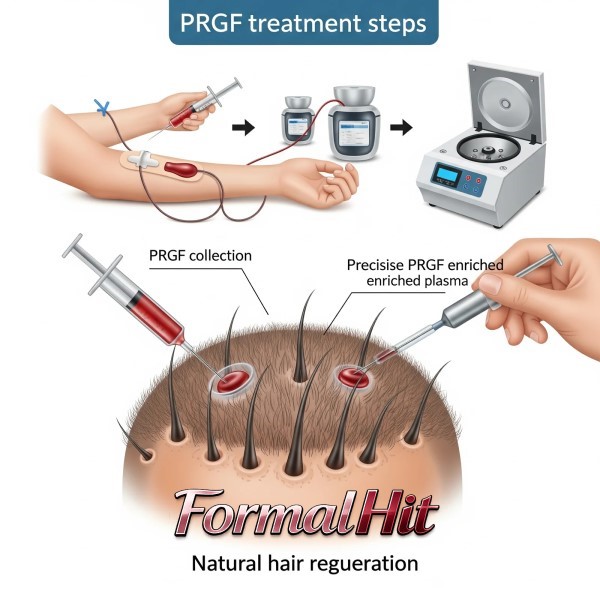
The core concept is straightforward. A small sample of the patient’s own blood is drawn, then processed using a centrifuge to isolate the plasma fraction that’s richest in growth factors. These growth factors proteins that signal cells to repair, regenerate, and rebuild are then activated and applied directly to the treatment site. Because the preparation comes entirely from the patient’s own blood, the risk of adverse reactions is remarkably low. That’s a big deal in any clinical setting.
What sets PRGF apart from other platelet-based therapies, like PRP (Platelet-Rich Plasma), is its precision. The PRGF protocol specifically avoids including white blood cells (leukocytes) in the final preparation. Research suggests that excluding these cells reduces inflammatory responses and produces a more targeted regenerative effect. It’s a subtle but clinically meaningful difference.
How PRGF Works in the Body
To understand why PRGF is so effective, it helps to appreciate what growth factors actually do. Our bodies rely on these proteins throughout life every time you cut yourself, bruise a knee, or recover from surgery, growth factors are doing the behind-the-scenes work of telling your tissues to heal. As we age, however, the concentration and efficiency of these factors naturally decline.
PRGF essentially delivers a concentrated, highly bioavailable dose of your own growth factors directly to where they’re needed most. Once applied, they bind to receptors on nearby cells and trigger cascading biological responses stimulating collagen production, promoting angiogenesis (the formation of new blood vessels), encouraging stem cell migration, and accelerating tissue regeneration overall.
Furthermore, because the preparation is autologous meaning it comes from you there’s no immune rejection to worry about. The body recognizes the material as its own and responds accordingly. This makes PRGF a remarkably versatile and patient-friendly option across multiple medical disciplines.
Key Applications of PRGF Across Medical Fields
Dental and Oral Surgery
One of the most well-established uses of PRGF is in dentistry, particularly in implantology, periodontal treatment, and oral surgery. After tooth extractions or implant placements, the PRGF preparation is applied to the surgical site to accelerate bone and soft tissue healing. Clinically, patients treated with PRGF often experience reduced pain, shorter recovery times, and improved osseointegration the process by which a dental implant fuses with the jawbone.
Periodontists also use PRGF to support gum tissue regeneration, especially in cases where significant bone loss has occurred due to gum disease. The growth factors stimulate the body to rebuild the structures that support teeth, which was previously difficult to achieve with conventional grafting techniques alone.
Ophthalmology
This is an area where PRGF has made particularly exciting strides. Eye drops formulated from PRGF are now used to treat conditions like dry eye syndrome, corneal injuries, and complications following refractive surgery such as LASIK. Because the eye is an extremely sensitive environment, the autologous and leukocyte-free nature of PRGF makes it especially appealing here.
Patients with severe dry eye, for instance, often don’t respond adequately to standard artificial tear products. PRGF-based eye drops, on the other hand, don’t just lubricate they actually support the health and regeneration of the ocular surface. That’s a fundamentally different and more lasting approach to a condition that affects millions worldwide.
Orthopaedics and Sports Medicine
Athletes and active individuals dealing with tendon injuries, osteoarthritis, or joint deterioration have also benefited substantially from PRGF. Injections into the knee, shoulder, or ankle can reduce pain and improve function by supporting the natural repair of cartilage, tendons, and ligaments tissues that are notoriously slow to heal on their own because of limited blood supply.
Moreover, PRGF is increasingly used in combination with surgical procedures to enhance post-operative recovery, reducing the need for prolonged medication use and shortening return-to-sport timelines for professional and recreational athletes alike.
Dermatology and Aesthetics
In aesthetic medicine, PRGF has found a loyal following for skin rejuvenation treatments. Applied topically or injected intradermally, it stimulates collagen synthesis and improves skin texture, tone, and elasticity. It’s a genuinely regenerative approach in a field that’s historically leaned heavily on temporary or surface-level solutions.
PRGF vs. Other Platelet Therapies: What’s the Difference?
It’s worth clarifying the distinctions, because patients and even some practitioners occasionally conflate PRGF with PRP (Platelet-Rich Plasma). While both use the patient’s blood and both concentrate platelets and growth factors, the preparation protocols differ meaningfully.
PRP preparations often include leukocytes, which can trigger an inflammatory response at the injection site. Some clinicians argue this inflammation is beneficial, but considerable evidence suggests it can cause unnecessary discomfort and may actually impede regeneration in certain contexts. PRGF, by specifically filtering out white blood cells and activating the plasma fraction at lower speeds during centrifugation, produces a more biocompatible and anti-inflammatory end product.
Additionally, the PRGF methodology developed by BTI is a standardized, patented protocol meaning the preparation is highly consistent from one patient to the next. This reproducibility is crucial in clinical settings where outcomes need to be predictable.
What to Expect as a Patient
If your dentist, ophthalmologist, or orthopaedic specialist recommends PRGF, the process is genuinely straightforward. It starts with a standard blood draw typically just 8 to 36 mL depending on the application. That blood goes into a centrifuge specifically calibrated for the PRGF protocol. Within about ten minutes, the plasma is ready. The entire preparation happens chairside or tableside, often while you’re already prepped for the procedure.
There’s no hospital visit, no donor material, no waiting for lab results to come back from an external facility. Most patients describe the treatment itself as no more involved than a standard injection or topical application, depending on how PRGF is being used.
Recovery varies by application, but most people notice reduced inflammation and improved healing compared to procedures done without PRGF. Side effects are minimal precisely because the material is autologous.
Is PRGF Right for You?
That’s genuinely a conversation worth having with a qualified practitioner. PRGF isn’t a magic solution, and results depend heavily on the clinical indication, the patient’s overall health, and proper technique. However, the body of evidence supporting its efficacy continues to grow, and its safety profile is one of the strongest in regenerative medicine today.
Whether you’re dealing with a complex dental implant case, a stubborn tendon injury, chronic dry eye, or simply want a regenerative approach to skin health, PRGF represents a meaningful option one grounded in solid science and years of clinical refinement.
In a healthcare landscape often dominated by pharmaceutical interventions, treatments that harness the body’s own healing intelligence stand out. PRGF is firmly in that category, and it’s worth understanding well.
