



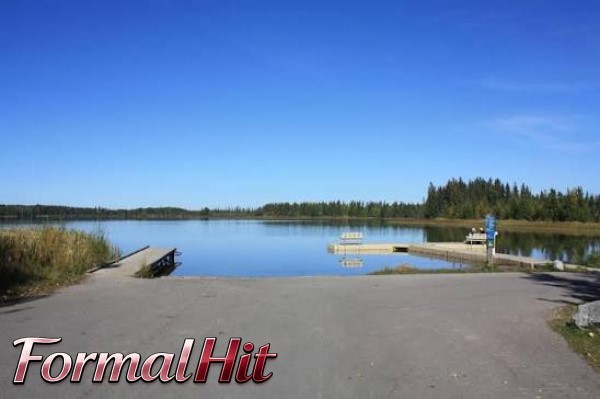
If you’ve spent any time researching campgrounds in west-central Alberta, Crimson Lake has probably come up more than once. Tucked into the trees just west of Rocky Mountain House, this provincial park draws families, anglers, and paddlers who want a lake trip without a five-hour drive to the mountains. It’s close enough for a weekend and quiet enough that it doesn’t feel like a highway pit stop.
This guide covers everything you need before you go: how to read a Crimson Lake map, the actual Crimson Lake directions from nearby cities, what the Crimson Lake campground offers, and whether Crimson Lake fishing is worth packing a rod for. We’ll also answer the questions people usually type into Google the night before a trip.
Where Is Crimson Lake, Exactly?
Crimson Lake Provincial Park sits about 14 kilometres west of Rocky Mountain House, Alberta, in the Clearwater County region often called West Country. It’s roughly an hour and a half from Red Deer and about two and a half hours from Calgary or Edmonton, depending on traffic and which route you take.
The park itself covers two main areas:
- Crimson Lake Campground — the larger, more developed side of the park, sitting directly on Crimson Lake.
- Twin Lakes Campground — a smaller, quieter area a few kilometres away, named for its own pair of small lakes.
Both are part of the same provincial park but feel like different trips entirely, which is worth knowing before you book.
Crimson Lake Directions: How to Get There
Getting to Crimson Lake is straightforward, and the roads in are paved the whole way, so you don’t need to worry about washboard gravel or a rough approach with a trailer.
From the town of Rocky Mountain House, head west on Highway 11 for about 9 kilometres, then turn north on Highway 756 for roughly 4 kilometres to reach the park entrance.</cite> Some sources round this slightly differently, listing it as14 kilometres west of Rocky Mountain House on Highway 11 and 6 kilometres north on Highway 756 the difference just comes down to where you start measuring from within town, so either figure will get you there.
Once you’re on Range Road 756 heading north, the Twin Lakes Campground turn-off appears on your right, followed shortly after by the Crimson Lake Campground turn-off on your left. The terrain along the way is flat, so hauling a fifth wheel or a tent trailer isn’t a stressful drive.
GPS Coordinates and Address
If you’re punching this into a phone or a car’s navigation system rather than following highway signs, use these:
- Coordinates: 52°26’57″N, 115°1’30″W (52.44917, -115.025)
- Crimson Lake Campground address: 40225 Range Road 80C, Rocky Mountain House, AB T0M 0C0
A quick word of caution: some GPS apps route people through backroads that technically shave off a kilometre or two but aren’t meant for RVs. Stick to Highway 11 and Highway 756 unless a park sign tells you otherwise.
Approximate Drive Times
| From | Distance | Drive Time |
|---|---|---|
| Rocky Mountain House | ~14 km | 15–20 minutes |
| Red Deer | ~115 km | 1.5 hours |
| Calgary | ~230 km | 2.5–3 hours |
| Edmonton | ~215 km | 2.5–3 hours |
These are rough estimates and will shift with weather and highway conditions, especially in winter when Highway 11 west of Rocky Mountain House can get icy in shaded stretches.
Reading the Crimson Lake Map
Alberta Parks publishes an official Crimson Lake map covering both the campground and the trail network, and it’s worth downloading before you leave cell coverage. The map lays out the six campsite loops, the day-use area, the boat launch, and the trailheads that branch off directly from the campground.
A few things the map makes clear that aren’t obvious from a listing alone:
- The Crimson Lake Campground loops sit close enough to the lake that several sites have walk-to water access, while others are set back under spruce and aspen for more shade and privacy.
- Twin Lakes Campground is a short drive away, not walking distance, so don’t assume you can wander between the two areas on foot easily though a connector trail does link them for hikers.
- There are 8 named trails in the park ranging from about 0.3 km to 10 km, and most of them loop back to the campground or day-use area, so you can shorten or lengthen a hike on the fly.
If you’re camping in winter, note that Alberta Parks issues a separate winter trail map, since not every summer trail is maintained once the snow flies.
Crimson Lake Campground: What to Expect
The Crimson Lake Campground is the larger and more popular of the two camping areas, and it’s built for families and RVs as much as it is for tents.
The campground has 161 campsites arranged into six loops, plus a separate group camping area. Every site includes power, a fire pit, and a picnic table, and the sites are large enough to fit most trailers and RVs comfortably. Maximum site length tops out at 60 feet, so bigger rigs generally aren’t turned away, though it’s worth checking specific site dimensions when you book.
Amenities
- Boat launch and swim beach at the day-use area
- Showers, flush toilets, and a laundromat
- A small campground store selling firewood, snacks, and basic supplies
- Two playgrounds and a sheltered picnic area
- An amphitheatre used for interpretive programs
- A sanitary dump station and potable water taps
Winter Camping
Crimson Lake is one of the few Alberta provincial parks that stays open for camping through the off-season. Several campsites are maintained through winter, each with 15-amp power, though there’s no water service and showers aren’t available in the off-season. Winter camping runs first-come, first-served, so if you’re planning a snowy weekend trip, arrive earlier in the day to secure a spot rather than risk showing up after dark.
Booking Tips
More than half the campsites can be reserved in advance, while the rest remain first-come, first-served. Alberta Parks reservations typically open months ahead of the season, so if you want a specific loop or a lakeside site in July, book as early as the system allows rather than waiting until spring.
Twin Lakes Campground
If Crimson Lake Campground sounds busy for your taste, Twin Lakes is the quieter alternative in the same park. It sits in a wooded area near the shore of one of its namesake lakes and has a noticeably smaller footprint. Amenities are more basic here think fire pits, a hand water pump, pit toilets, and a boat launch which suits people who want fewer neighbours over convenience.
Crimson Lake Fishing: Is It Worth Bringing a Rod?
This is where Crimson Lake gets a bit more interesting than the average campground write-up lets on. The lake has an unusual history that actually affects what you’ll catch today.
Crimson Lake was originally stocked by the province with rainbow trout, but the lake is shallow and warm, and the trout population struggled with winter kill from low oxygen levels under the ice. At some point, someone illegally introduced yellow perch into the lake, likely six to eight years before this became public knowledge, according to a provincial fisheries biologist based in Rocky Mountain House. Illegal stocking like this isn’t rare in Alberta, but it changes a lake’s fishery permanently, since perch populations without predators tend to explode into large numbers of small, stunted fish within a few years.
What that means practically: anglers report mixed results. Some visitors still land decent rainbow trout, particularly around the docks and boardwalk area, while others find the lake dominated by small perch that nibble bait without committing to a hook. If you’re fishing with kids, the perch action can still make for a fun, low-pressure afternoon just temper expectations if you’re hoping for trophy trout.
Beyond Crimson Lake itself, many anglers head for the Twin Lakes instead, which are smaller but less crowded, with easy shoreline access and boat launches at both locations.
Species You Might Encounter
- Rainbow trout (stocked, though numbers vary year to year)
- Yellow perch (now well established, sizes vary widely)
- Occasional catches reported by anglers include small pike, though these aren’t consistently documented in provincial stocking records
Always check the current Alberta Guide to Sportfishing Regulations before you go, since possession limits and bait restrictions can change by zone and by year, and a valid Alberta sportfishing licence is required for anyone over 16.
Other Things to Do at Crimson Lake
Fishing and camping aren’t the only draws. The park runs interpretive programs throughout the year, including a campfire hour at the campground and guided hikes covering edible forest plants, which are genuinely popular with families looking to fill an evening. In winter, the park maintains two skating rinks near the main campground, and the trail system stays open for cross-country skiing and snowshoeing.
Birders tend to do well here too loons, sandhill cranes, boreal owls, and western tanagers are all regularly spotted, and the park sits in bear and cougar country, so standard backcountry precautions apply even close to the campground.
Frequently Asked Questions
Is Crimson Lake good for swimming? Yes. The day-use area has a maintained swim beach, and it’s one of the more popular features of the park in summer, alongside the boat launch and volleyball court.
Can I bring a motorboat? Motorized boats are allowed on Crimson Lake, though speed restrictions apply in parts of the lake. Check current park signage or Alberta Parks directly before launching, since restricted zones can shift.
Is Crimson Lake Campground open year-round? Yes, a limited number of powered sites stay open through winter, though water service and showers are shut off in the off-season.
How far in advance can I book a campsite? Reservations generally open up to 90 days ahead of your arrival date for standard sites, though this window has varied by season, so check the Alberta Parks reservation system for current details.
Is there cell service at Crimson Lake? Coverage is inconsistent. Some spots near the campground get a weak signal, but you shouldn’t rely on it for navigation or emergencies. Download your map ahead of time.
Final Thoughts
Crimson Lake works well precisely because it doesn’t try to be everything. It’s not a wilderness backcountry trip, and it’s not a resort either it’s a well-run, close-to-town provincial park with enough trails, water, and quiet to make a weekend feel like a real break. Whether you’re plotting Crimson Lake directions for a first visit, comparing the Crimson Lake campground against Twin Lakes, or just wondering if Crimson Lake fishing is worth the tackle box, the short version is: it’s a solid, low-hassle destination that rewards a bit of planning.
Pull up the official Crimson Lake map before you leave, book early if you want a specific site, and pack a backup plan for the fishing in case the perch are in a mood. Either way, you’ll likely be back.


