

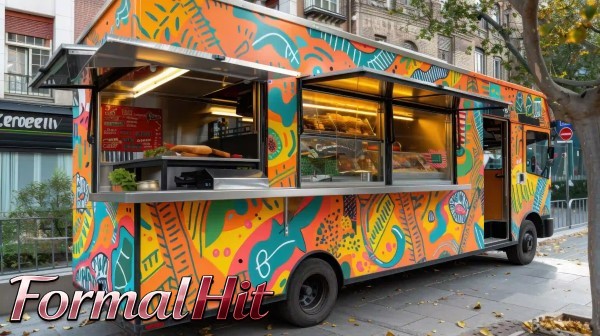
Street food has always had a certain magic to it the smell of something sizzling, the buzz of a crowd gathered around a window, the thrill of discovering something delicious in the most unexpected place. But the modern food truck is something far more layered than a simple roadside snack stop. It’s a full-blown culinary movement, a legitimate business model, and for thousands of Canadians, it’s the most exciting way to bring food to the people who love it most.
The Rise of the Food Truck Culture in Canada
It wasn’t long ago that a food truck meant a tired lunch wagon parked outside a construction site, serving lukewarm coffee and pre-wrapped sandwiches. Today, things look wildly different. From Vancouver’s waterfront to the laneways of Toronto and the festival grounds of Calgary, food trucks are serving up everything from Korean BBQ tacos to wood-fired flatbreads and artisan ice cream sandwiches. The scene has exploded, and it shows no signs of slowing down.
A big part of this growth comes from shifting consumer habits. People want quality food, but they also want it fast, casual, and increasingly with a story behind it. Food trucks offer exactly that. Customers aren’t just buying a meal; they’re buying an experience, a personality, a brand they can follow on social media and track down at their favourite food truck festival on a Saturday afternoon.
What’s Driving the Demand
Several forces are fuelling this boom simultaneously. First, diners have become far more adventurous. The appetite for global flavours, dietary-conscious menus, and chef-driven street food has grown dramatically over the past decade. Second, entrepreneurs are recognizing the financial appeal of the model. Compared to a traditional brick-and-mortar restaurant, a food truck demands significantly lower startup costs, a smaller team, and far more flexibility in where and how you operate.
Additionally, the rise of food truck festivals across Canada has created a dedicated ecosystem that supports the industry. These festivals draw thousands of visitors who come specifically to explore different trucks, try new cuisines, and spend an afternoon doing exactly what they love. For truck owners, a single busy festival weekend can generate revenue that rivals a week of regular street service.
Turning a Food Truck Idea into a Real Business
Every successful truck starts with a compelling food truck idea and the best ones are built around something specific. Not just “good food,” but a distinct concept that fills a gap in the local market. Think about what your city is missing. Is there a lack of authentic West African cuisine? Are plant-based options underrepresented at local markets? Is there a neighbourhood that lacks quality lunch options during the workweek?
The strongest concepts tend to share a few things in common: a focused menu (usually six to twelve items done exceptionally well), a clear brand identity, and a story that resonates with people. Customers gravitate toward trucks that feel genuine. A truck run by a former line cook who spent years training in Japan will always out-connect with food lovers compared to something that feels corporate or generic.
Developing Your Menu and Brand
Once you’ve landed on your concept, the menu development process is both thrilling and demanding. Every item needs to work within the physical and logistical constraints of a mobile kitchen. You’re working with limited space, limited equipment, and often outdoor conditions that can change quickly. Dishes need to travel well, plate quickly, and maintain quality during a rush.
Your food truck design plays an equally important role in your success. The truck itself is a rolling billboard your most powerful marketing tool. A memorable food truck design should communicate your brand instantly. The colour palette, typography, logo, and any custom illustrations all need to work together to create something that stops people in their tracks. Invest in professional design work here; it pays for itself many times over in brand recognition and social media shareability.
Permits, Locations, and Logistics
Before you serve your first customer, there’s a significant amount of groundwork to lay. Municipal permits, health inspections, commercial kitchen access for prep, commissary agreements, liability insurance, and business registration all need to be sorted out. Requirements vary significantly from city to city across Canada, so connecting with your local municipality early in the process saves a lot of headaches down the road.
Location strategy matters enormously. The most successful operators identify their highest-performing spots busy lunch corridors, evening markets, brewery patios, office parks and lock in as much regularity as possible. Customers who can count on finding you in the same spot on the same days become loyal regulars, and loyal regulars are the backbone of any food truck business.
Finding a Food Truck for Sale: What to Look For
Whether you’re entering the industry for the first time or expanding an existing operation, finding the right food truck for sale is one of the most consequential decisions you’ll make. The vehicle itself determines your operational capacity, your equipment layout, your generator needs, and your maintenance costs for years to come.
When browsing food truck for sale listings, resist the temptation to jump at the lowest price. An older truck with a lot of deferred maintenance can become a money pit within months of purchase. Instead, prioritize trucks that come with documented service history, a recent health inspection certificate, and equipment that matches your specific menu requirements. Have a licensed mechanic inspect the vehicle before you sign anything.
New vs. Used: Making the Right Call
New custom-built trucks offer the advantage of being built exactly to your specifications the layout, the equipment, the food truck design, everything. They’re also expensive, often running between $80,000 and $200,000 or more depending on complexity. Used trucks, on the other hand, can be found in the $30,000 to $80,000 range and can get you on the road much faster. For first-time operators, a quality used truck often makes more financial sense while you’re still learning the business.
Financing options have expanded considerably in recent years. Several Canadian lenders now offer loans specifically structured for mobile food businesses, and some equipment suppliers offer lease-to-own arrangements that reduce the upfront capital required.
Making the Most of Food Truck Festivals
No single opportunity generates more visibility for a food truck business than a well-run food truck festival. These events draw food-curious crowds who are actively looking to discover new trucks and new flavours. For newer operators, festivals offer a chance to introduce your concept to thousands of potential customers in a single weekend.
That said, festivals require serious preparation. Your equipment needs to handle high volume without breaking down. Your team needs to be drilled on speed without sacrificing quality. Your packaging, signage, and presentation all need to be at their absolute best, because first impressions at a festival often become lasting ones.
Beyond the revenue, the networking value of the food truck festival circuit is significant. You’ll meet other operators, learn from their experience, and potentially discover collaboration opportunities that wouldn’t arise any other way.
The Road Ahead
The food truck industry in Canada continues to mature, and with that maturity comes both opportunity and competition. The trucks that will thrive over the next decade are those built on a genuine food truck idea, executed with consistency and care, wrapped in a food truck design that commands attention, and operated by owners who treat every service as a chance to earn a loyal customer for life.
If you’ve been sitting on a concept, exploring a food truck for sale, or dreaming of pulling up to a food truck festival with your very own truck the conditions are better than they’ve ever been. The road is open. All you need is the courage to hit the gas.
