



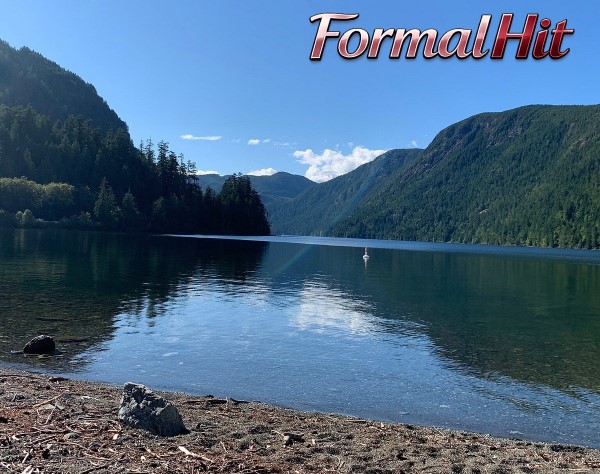
Cameron Lake sits tucked into the Akamina Valley of Waterton Lakes National Park, right on the Alberta-British Columbia border. It’s one of those spots that looks almost too perfect in photos, turquoise water framed by steep peaks, and somehow it’s even better in person.
This guide covers everything you need to know before visiting: what happened during the 2017 wildfire that scorched the surrounding valley, where things stand today, what fishing looks like on the lake, and practical tips for making the most of your trip. If you’ve searched for Cameron Lake fire updates or wondered whether the area has recovered, you’re in the right place.
Where Is Cameron Lake and Why It’s Worth Visiting
Cameron Lake sits at the end of the Akamina Parkway, about a 15-minute drive from the Waterton townsite. The lake straddles the Continental Divide, meaning half of it technically sits in British Columbia while the rest remains in Alberta.
What makes it stand out isn’t just the scenery, though that alone earns the trip. The lake offers:
- A short, flat, family-friendly shoreline trail
- Canoe and kayak rentals during peak season
- One of the best chances in the park to spot grizzly bears on the surrounding slopes (from a safe distance)
- A trailhead connecting to Forum Lake and Wall Lake for more serious hikers
Because it sits at higher elevation than the townsite, Cameron Lake often stays snow-covered into early summer, so timing your visit matters if swimming or paddling is the goal.
Cameron Lake Fire History: What Actually Happened
The most significant event in the area’s recent history is the Kenow Wildfire, and it’s the reason a lot of people search for “Cameron Lake fire” in the first place. Understanding what happened helps explain what visitors see today.
The Kenow Wildfire established itself in Waterton Lakes National Park on September 11, 2017, and moved at a high rate of speed down the Cameron Valley along the Akamina Parkway. Flames became visible from the townsite and the north side of Crandell Mountain later that same evening, and the fire eventually spread through grasslands along the park’s entrance road before moving out of the park entirely.
The scale of the damage was significant. In total, the wildfire burned roughly 35,000 hectares, including more than 19,000 hectares inside Waterton Lakes National Park, with major impacts on built infrastructure throughout the park.
How the Landscape Has Changed Since the Fire
The valley surrounding Cameron Lake looked dramatically different in the fire’s immediate aftermath. Parks Canada’s post-fire photo documentation shows wildlife adapting quickly to the changed terrain, black bears foraging along Cameron Creek for fish killed by the heat, elk moving through burned sections of the Akamina Valley, and moose wandering the scorched Akamina Parkway corridor in the months that followed.
Nearly a decade later, the regrowth is genuinely one of the more interesting things to see on a visit. Standing dead trees remain scattered across the slopes, but underneath them, a dense carpet of young lodgepole pine, fireweed, and shrubs has taken over, a textbook example of how fire-adapted ecosystems bounce back.
Is There a Current Fire Near Cameron Lake, Waterton?
As of the most recent Parks Canada updates, there’s no active wildfire threatening Cameron Lake in Waterton Lakes National Park. The Kenow fire remains the defining event, and current park communications focus on ongoing recovery and natural fire processes rather than active suppression efforts.
That said, always check Parks Canada’s fire status page directly before a trip, since conditions during Alberta’s fire season (typically May through September) can shift quickly.
A Quick Note on Naming Confusion
If your search turned up wildfire news that didn’t match Waterton at all, there’s a reason. A separate Cameron Lake on Vancouver Island, British Columbia, also made headlines after a human-caused wildfire broke out nearby in July 2025, prompting evacuation orders for hundreds of properties in the Regional District of Nanaimo. The two lakes share a name but are otherwise unrelated, sitting roughly 900 kilometres apart. This article focuses specifically on Cameron Lake within Waterton Lakes National Park.
Cameron Lake Fishing: What to Expect
Fishing at Cameron Lake is a popular draw, though it comes with a few rules worth knowing before you cast a line.
- Permit required — a valid national park fishing permit is mandatory and available at the Waterton visitor centre or online through Parks Canada
- Primary species — westslope cutthroat trout is the main catch, though numbers can be modest compared to other park lakes
- Catch-and-release encouraged — due to conservation concerns around native cutthroat populations
- Best season — early to mid-summer, once ice-off is complete and water temperatures rise slightly
- Boat access — canoes and kayaks are allowed and often improve access to deeper water where fish tend to hold
Anglers should note that Cameron Lake isn’t known as a trophy fishing destination the way some other Alberta lakes are. It’s better suited to a relaxed afternoon on the water than a serious fishing trip, though the surroundings more than make up for modest catch rates.
Planning Your Visit: Practical Tips
A little planning goes a long way at Cameron Lake, especially during peak summer months when parking fills up fast.
- Arrive early — the parking lot at the lake’s edge is small and regularly full by mid-morning in July and August
- Check the road status — the Akamina Parkway occasionally closes for wildlife management or maintenance
- Bring bear spray — this is grizzly country, and the post-fire landscape has created more open sightlines where encounters are possible
- Pack layers — elevation and proximity to snowmelt mean temperatures swing more than you’d expect
- Rent gear on-site — canoe and kayak rentals are typically available seasonally right at the lake
Is Cameron Lake Good for Swimming?
Technically yes, but most visitors find the water too cold for anything beyond a quick dip, even in mid-summer. Glacial and snowmelt input keeps temperatures low well into the season.
How Long Is the Cameron Lake Trail?
The main shoreline trail runs roughly 1.6 kilometres one-way and is flat enough for most fitness levels, including families with young kids. Those looking for more distance can continue onto the Forum Lake or Wall Lake trails, both of which climb steadily and require a fuller day.
Frequently Asked Questions About Cameron Lake
When did the Cameron Lake area burn? The surrounding valley was affected by the Kenow Wildfire, which entered Waterton Lakes National Park on September 11, 2017, and burned through the Cameron Valley corridor within hours.
Has the forest around Cameron Lake recovered? Recovery is well underway, with dense young growth covering much of the burned slopes, though standing dead timber from the fire remains visible throughout the valley.
Do I need a permit to fish at Cameron Lake? Yes, a valid Parks Canada fishing permit is required, purchasable at the Waterton visitor centre or through the Parks Canada website before your trip.
Is Cameron Lake in Alberta or British Columbia? Both, technically. The lake sits directly on the Continental Divide, with a portion resting in each province.
Final Thoughts
Cameron Lake remains one of Waterton Lakes National Park’s most rewarding stops, even with its fire-scarred history still visible on the surrounding slopes. Between the fishing, the paddling, and the sheer scenery, it’s a spot that rewards an early start and a bit of planning.
Before you head out, check Parks Canada’s current conditions page for road access and fire status updates, then pack your permit, bear spray, and a warm layer, Cameron Lake is ready whenever you are.


